
 Visually-Impaired Version


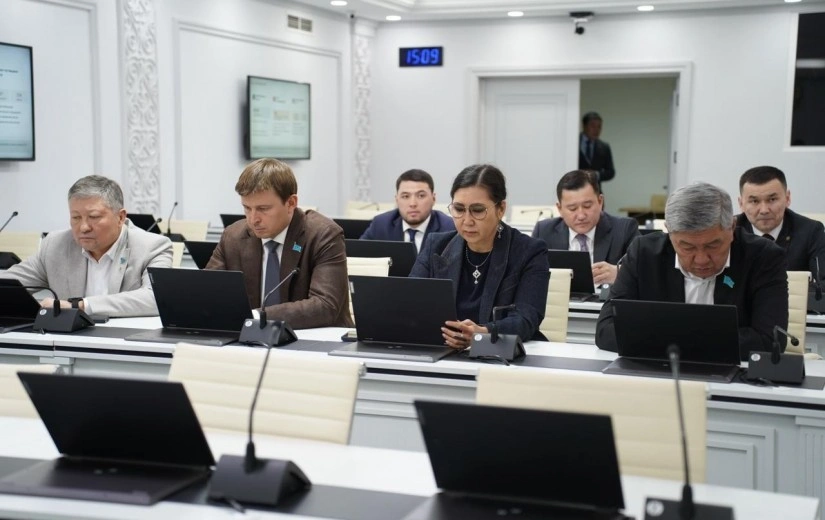
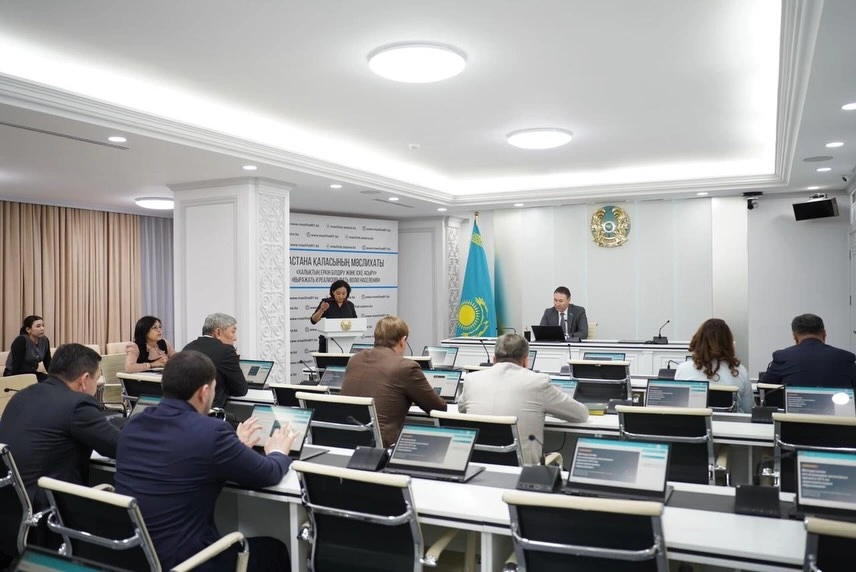
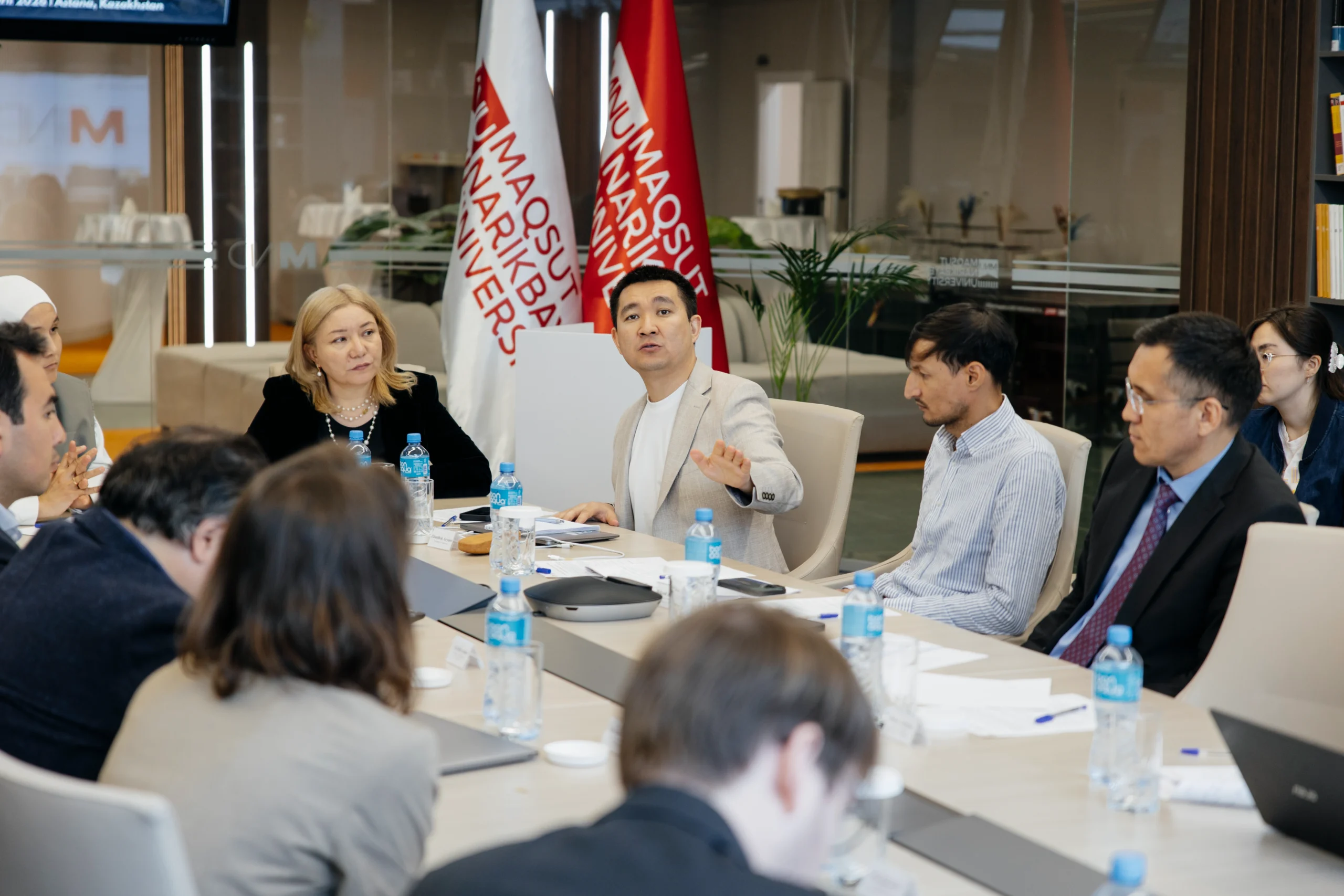
A group of researchers from Maqsut Narikbayev University (MNU) conducted a study on the implementation of a pilot voucher financing model in the system of supplementary education in Astana. The results of the study were discussed during a session of the city maslikhat.
PhD in Political Science and Deputy Dean of the International School of Economics at MNU, Assem Kalkamanova, presented the key findings of the research to the deputies. The researchers analyzed the socio-demographic profile of voucher recipients, access and coverage across the city’s districts, the distribution of service providers, the additional impact of the program on children’s development, as well as the quality of services and parents’ satisfaction. The study may serve as a basis for further improvement of the program’s implementation mechanism and for increasing its effectiveness.
Members of the maslikhat proposed conducting a comprehensive analysis covering a three-year period and establishing a permanent working group. They also emphasized the need to support researchers in obtaining anonymized data from information systems to calculate efficiency indicators. Following the discussion, the deputies noted the relevance of the study for improving the city’s social policy and expressed interest in continued expert support from the university.
It should be noted that the pilot voucher financing model is currently being implemented in six regions of Kazakhstan. Under the new system, each child receives an electronic voucher that allows them to attend one extracurricular club or section free of charge. In addition, funding is provided only after the service has been delivered — once the parent confirms the child’s attendance through a digital platform.