
 Visually-Impaired Version

Maqsut Narikbayev University (MNU) is launching a new master’s degree program in Artificial Intelligence and Law. The program will be delivered jointly with the China University of Political Science and Law (CUPL).
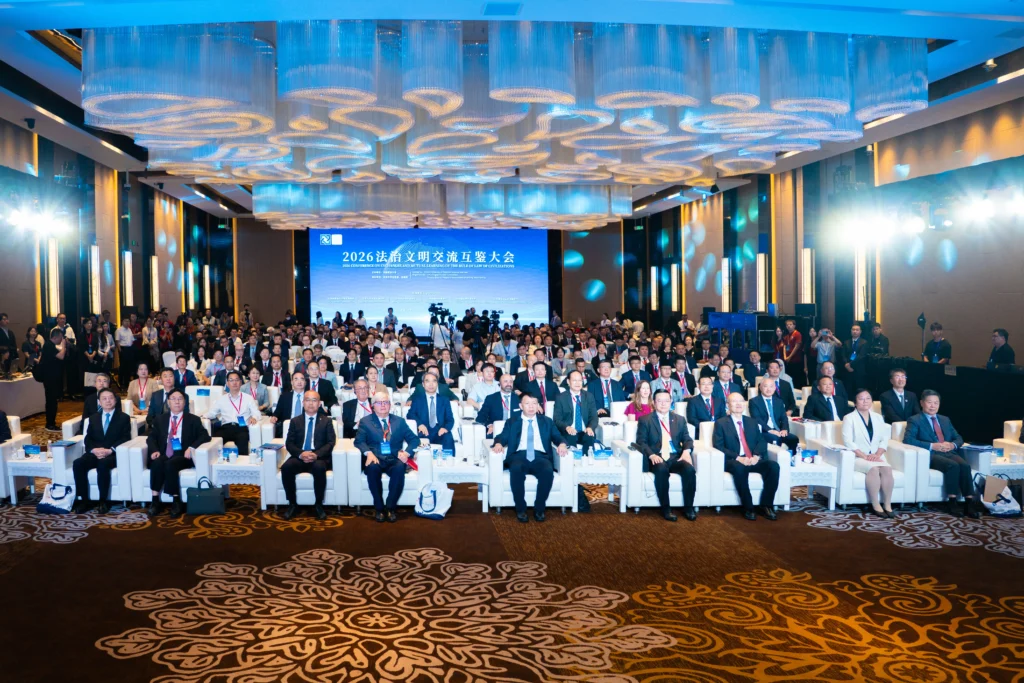
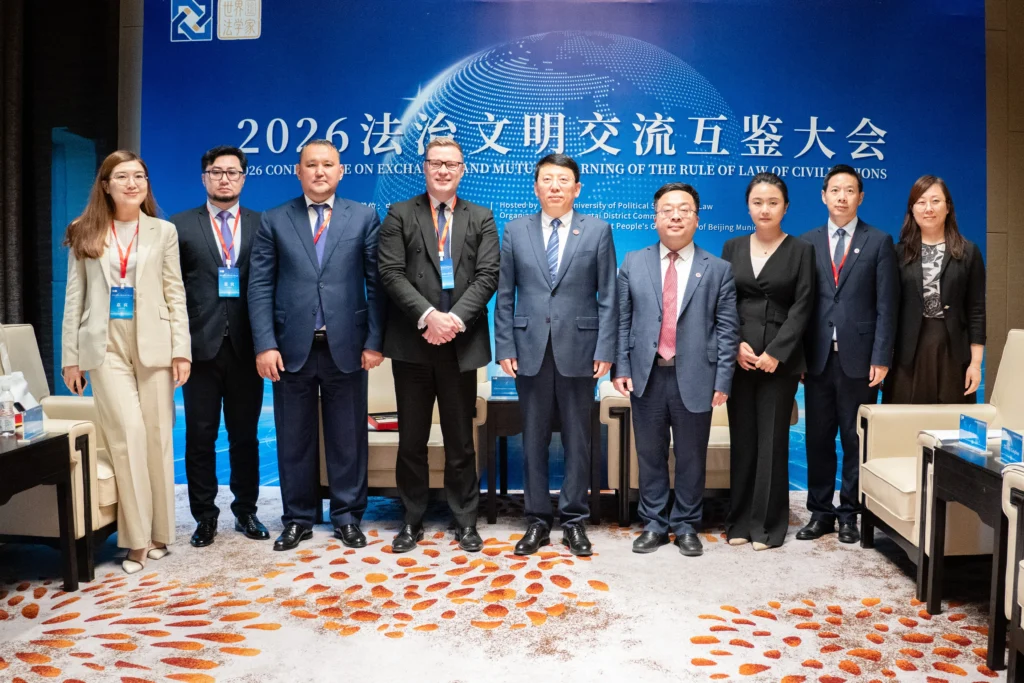
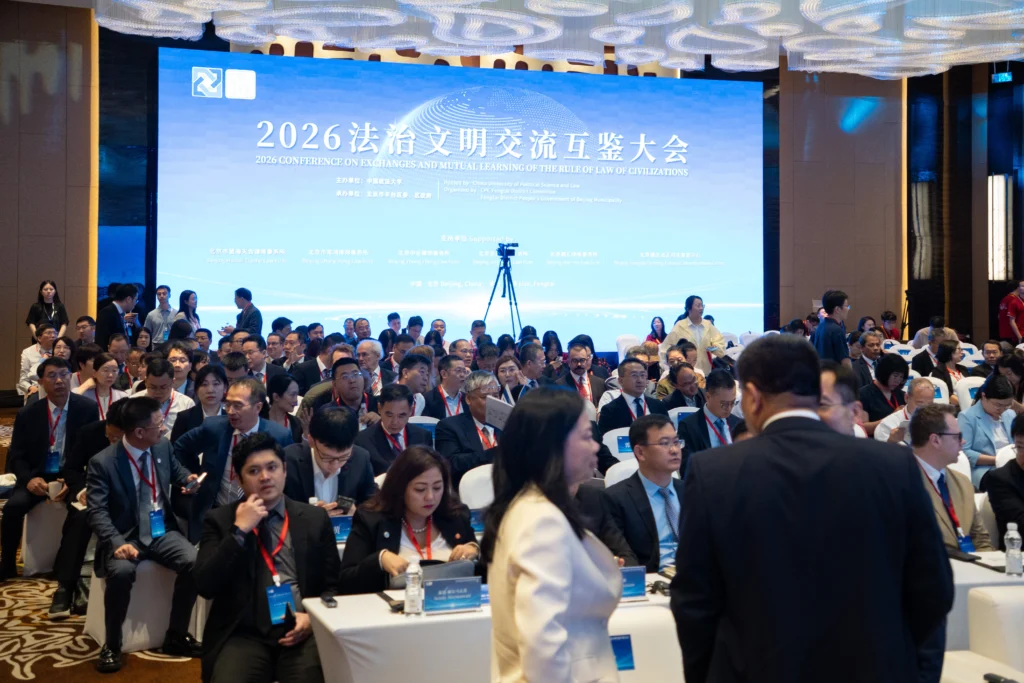
The agreement between the two universities was reached during the International Conference on Mutual Learning Among Civilizations and the Rule of Law, held in Beijing, China. The cooperation agreement was signed by Talgat Narikbayev, Chairman of the Board of MNU, and Jiang Zeting, Chairman of the University Council of CUPL. This innovative postgraduate program is designed to prepare professionals capable of working at the intersection of law, artificial intelligence, data governance, and digital transformation.
The new academic program integrates the educational experience and institutional expertise of one of China’s leading law schools. It combines a strong legal foundation with studies in artificial intelligence technologies, data analytics, algorithmic regulation, digital compliance, and AI governance. The agreement also provides for the participation of CUPL faculty members and experts in the educational process, as well as internships and short-term academic visits to leading Chinese information technology companies, enabling students to gain practical insight into advanced AI applications.
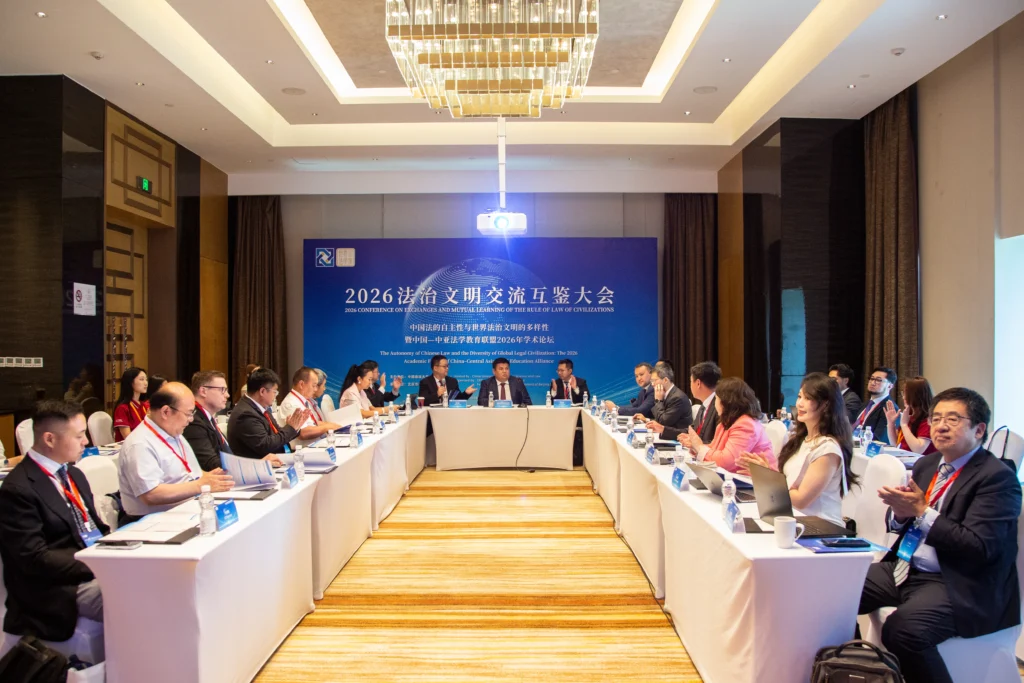
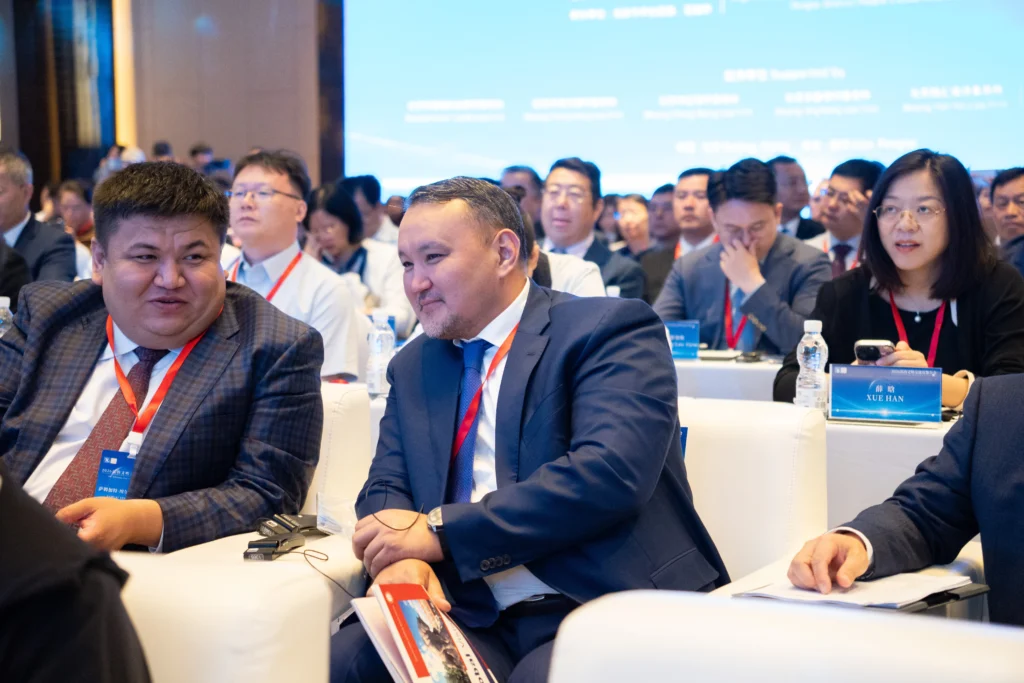
The International Conference on Mutual Learning Among Civilizations and the Rule of Law brought together legal scholars from more than 20 countries. The event also featured the Academic Forum of the China–Central Asia Legal Education Alliance, where members discussed the characteristics of the autonomy of Chinese law and the diversity of global legal civilizations.
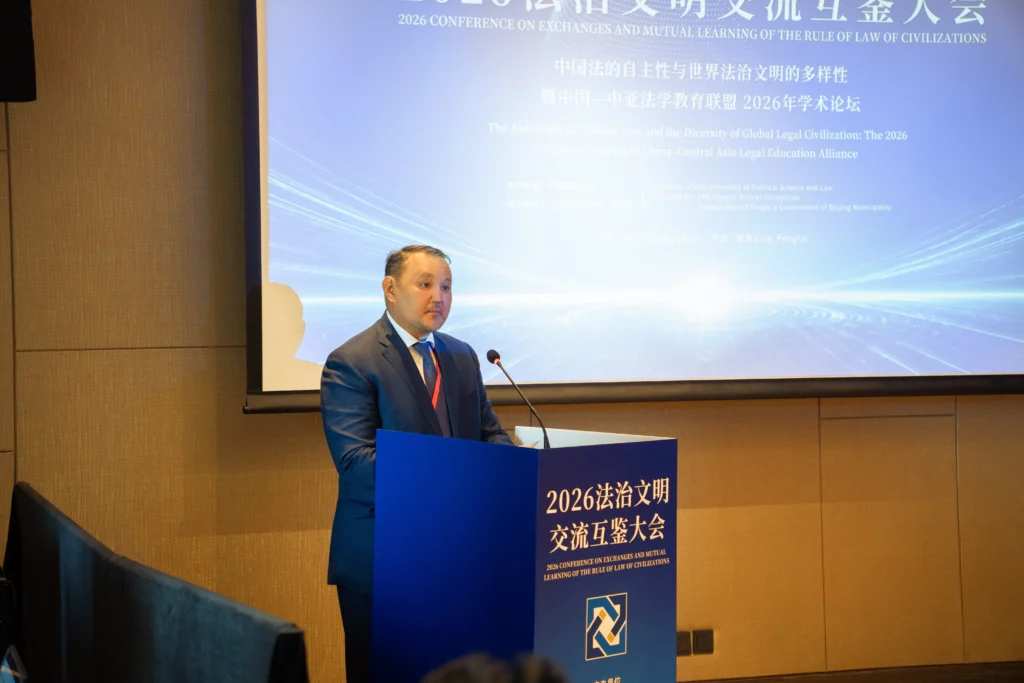
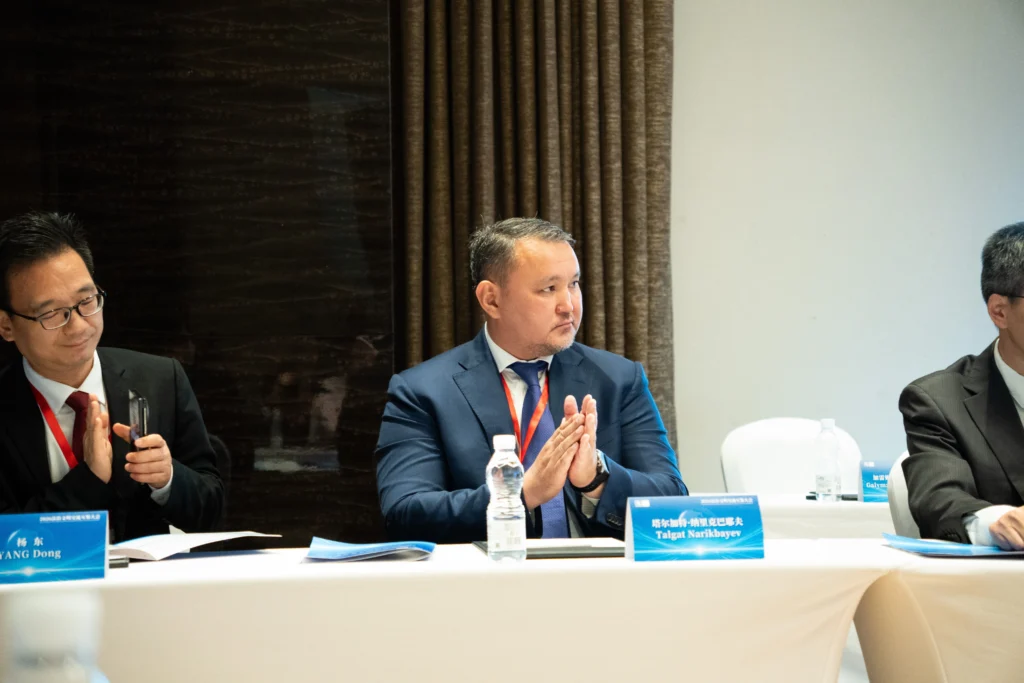
“In digital systems, responsibility is distributed among developers, operators, infrastructure providers, and the state. The law must develop new models in which responsibility follows actual control and actual benefit. This leads to a simple principle that I propose for our Alliance: the degree of automation should depend on what is at stake. A system that forwards a document and a system that restricts a person’s liberty require different levels of oversight,” Talgat Narikbayev emphasized during his speech.
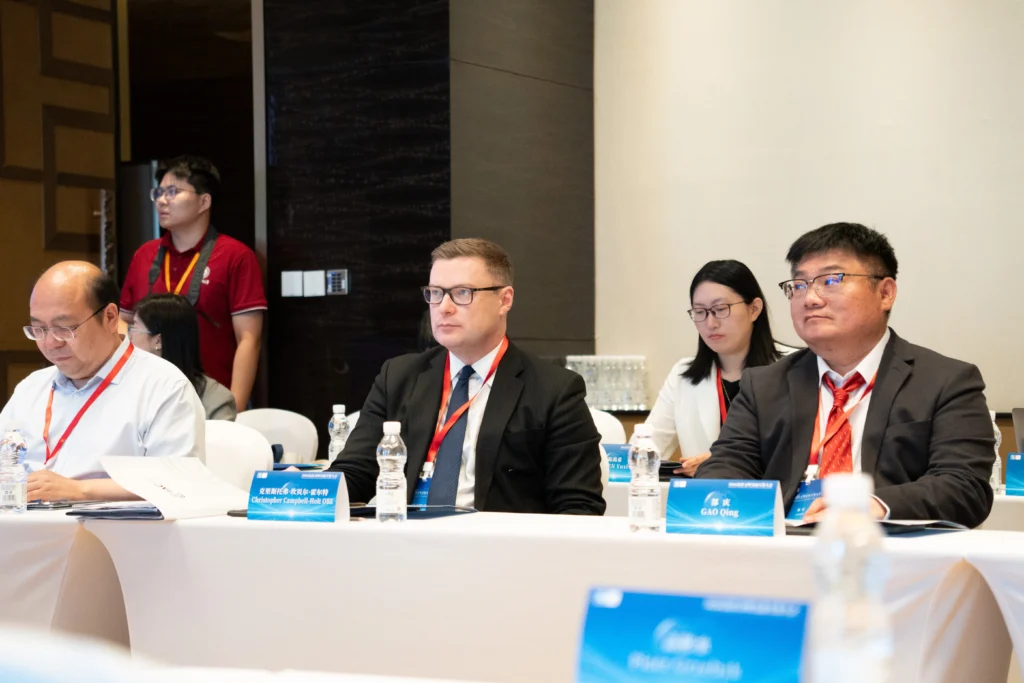
The Chairman of the Board also highlighted Kazakhstan’s successful experience in building a digital state, with particular attention to such initiatives as the Digital Family Map and the Digital Bailiff system. The forum was also attended by Christopher Campbell-Holt, Chairman of the Board of Trustees of MNU, as well as Galymzhan Kudaibergenov and Sergey Pen, Deputy Chairmen of the Board of MNU. Established last year, the China–Central Asia Legal Education Alliance aims to promote joint research on legal foundations, foster mutual understanding of legal cultures, and strengthen academic and cultural cooperation among the countries of the region.
The conference concluded with the adoption of a joint initiative calling for the use of international law as a guiding framework for global governance, the expansion of practice-oriented cooperation in international legal education, and the establishment of mechanisms for regular dialogue on issues related to the international rule of law.