
 Visually-Impaired Version


Scholars of Maqsut Narikbayev University conducted an extensive analysis of the Kazakh-language version of the current Constitution, highlighting the need for amendments. The university professors’ proposals aimed at correcting terminological errors, semantic inaccuracies, grammatical inconsistencies, and legal-linguistic contradictions were reviewed by members of the Constitutional Commission.
The need for amendments was first emphasised in October last year by Professor Marat Akhmadi, who submitted an official appeal through the eOtinish platform containing an analysis of the Constitution’s Kazakh text along with proposed revisions. The document provided examples of legal and terminological errors, conceptual and semantic inaccuracies, stylistic and grammatical inconsistencies, and legal-linguistic contradictions. As noted at the eighth meeting of the Constitutional Commission by the State Counsellor of the Republic of Kazakhstan and Deputy Chairman of the Commission, Erlan Karin, the proposals were reviewed, and a working group was established at MNU to systematise the terminology of the draft constitutional text in the Kazakh language.
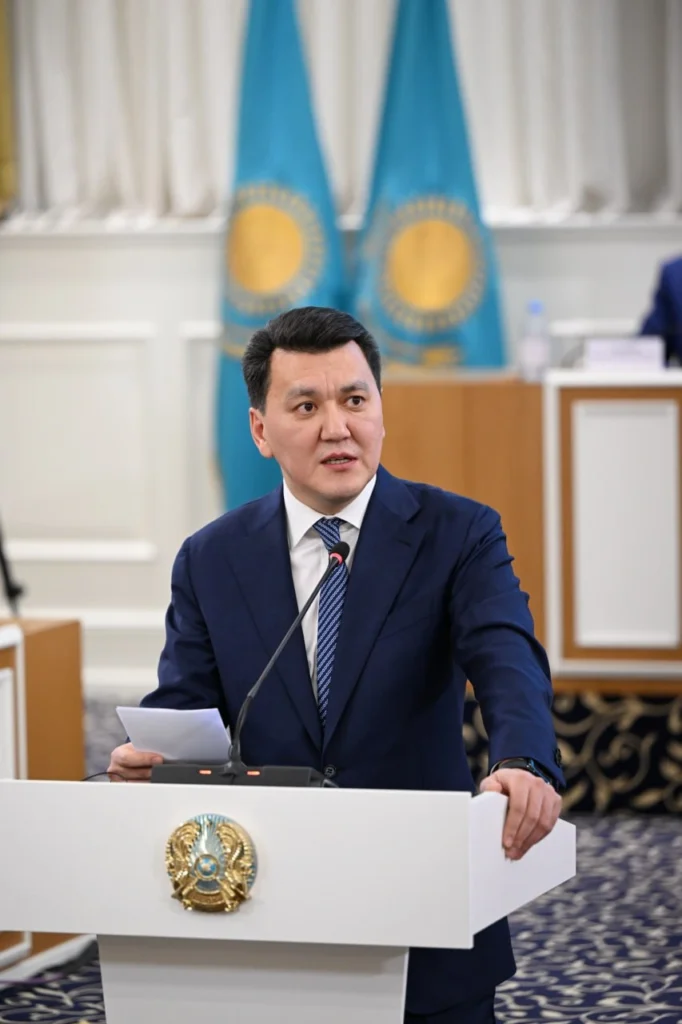
“Legal scholars, linguistics specialists, and language experts carried out extensive analytical and detailed work over several months to improve the new text. A comprehensive and systematic review was conducted on the version of the draft Constitution in the state language that was presented for public discussion. As a result of this work, the new constitutional text has been qualitatively and substantively improved compared to the 1995 Basic Law,” Erlan Karin stated.
The State Counsellor added that the text has become clearer, and the scope of the Kazakh language’s application has expanded. The working group responsible for the text included Professors Marat Akhmadi, Nurzhan Yeshniyazov, Almas Zhumagali, and Abay Abylaiuly, as well as scholars, journalists, and representatives of government bodies and Parliament. Additionally, in January of this year, a Presidential decree established the Constitutional Commission, which includes Professors Sergey Udartsev, Unzila Shapak, Indira Aubakirova, and MNU Chairman of the Board Talgat Narikbayev.
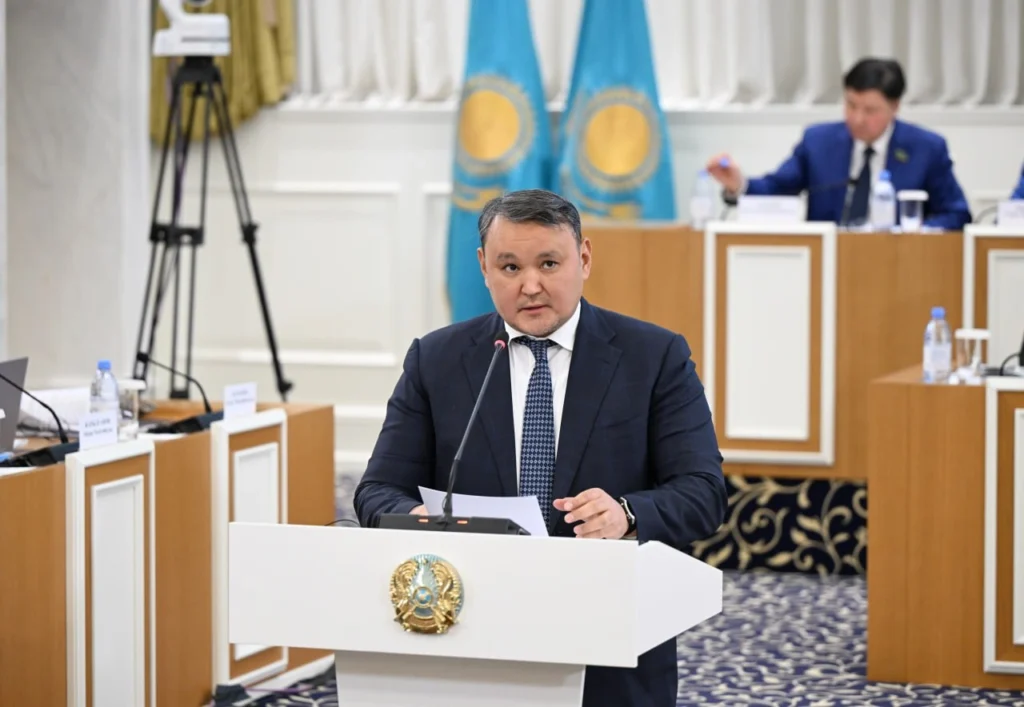
“Our proposals were duly reflected in the draft of the new Constitution. When reading the Basic Law in Kazakh today, it is evident that the language has become clearer and the meaning far more accessible to citizens. I would also like to emphasise that the terminology reflects the internal logic and characteristics of the Kazakh language. I believe this work has resulted in a clear, systematic, and legally precise text,” Talgat Narikbayev stressed during the Constitutional Commission meeting.
It should be noted that the work of the Constitutional Reform Commission is ongoing.