
 Visually-Impaired Version


Last week, Maqsut Narikbayev University hosted the second legal case championship, the International Legathon MaxUP 2026. Students from 13 countries explored the law of the future and discussed the significance of the international competition.
This large-scale student competition took place within the framework of the Year of Digitalization and Artificial Intelligence, declared by the Head of State. The competition brought together over 90 students from Azerbaijan, Germany, Georgia, India, Kazakhstan, Canada, China, Kyrgyzstan, Malaysia, Russia, Romania, Uzbekistan, and Sri Lanka. During the event, participants examined the impact of new technologies on the legislative system, legal principles, ethics, and human rights.
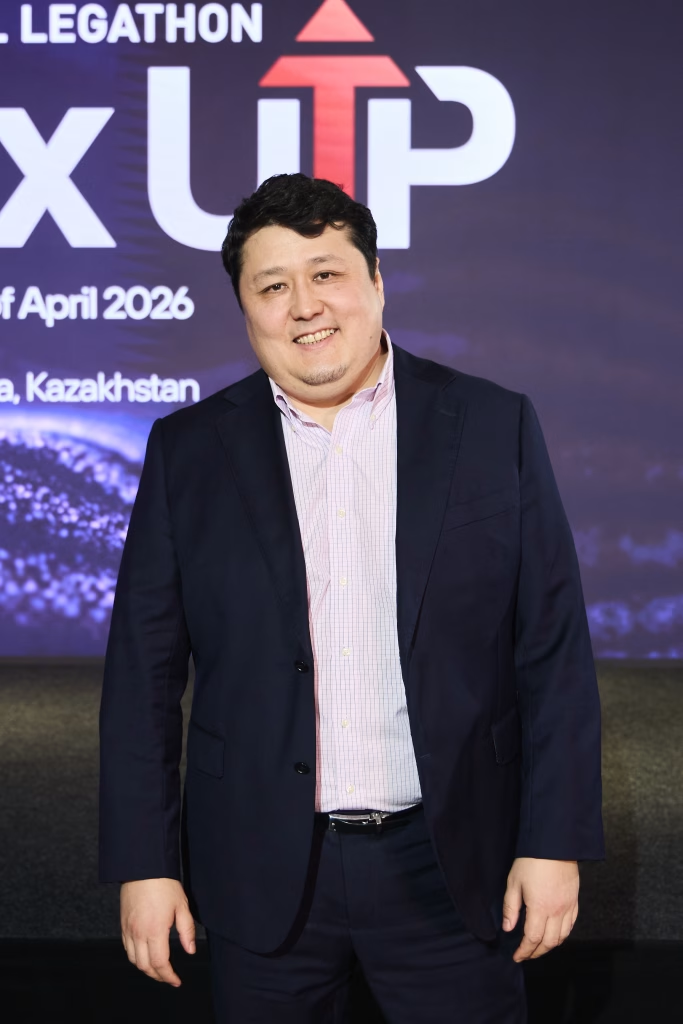
“The issues addressed at the competition are not fictitious – they are issues that will become real within the next 10 years. Therefore, it is very important to understand everything and listen to the participants’ ideas. For myself, for example, I gained many ideas that can be applied. The format itself is very useful for lawyers, and such events should be held annually, attracting even more teams. Topics such as social policy, taxation, and judicial proceedings involving new technologies could also be raised,” noted Daniel Vaisov, Vice-Minister of Justice of the Republic of Kazakhstan.
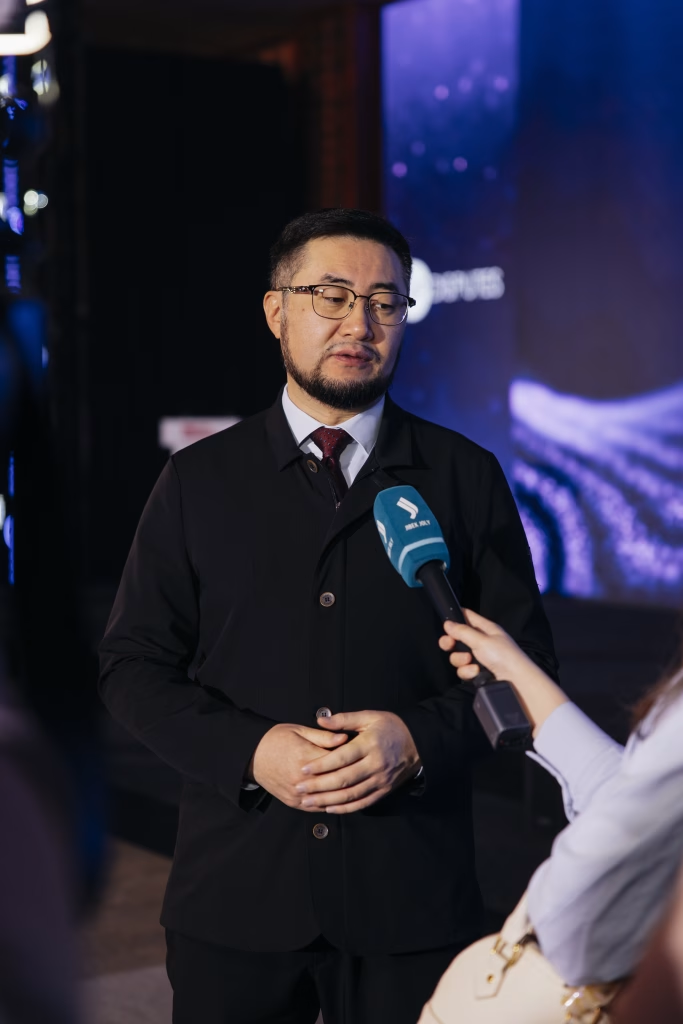
“The International Legathon MaxUP will be beneficial for our country, as we are becoming a hub where the best ideas are gathered. Consequently, we will be the first to be able to implement them. After the competition, based on all the collected concepts, our professors will begin to formalize them as regulatory policy documents so that they can be used in the law-making process,” emphasized Sergey Pen, Vice-Chairman of the Management Board for Science, Innovation, and Artificial Intelligence at MNU.
During the competition, students presented their arguments on issues of liability for metaverse owners and treating the metaverse as an analogue of real states, regulation of virtual assets and the right to property protection for virtual entities, as well as the recusal of an AI judge and the legality of limiting time spent in virtual reality. Additionally, ideas were proposed for developing norms regulating the use of autonomous transport, synthetic content, and artificial intelligence in the economy. The team presentations were evaluated by vice-ministers of justice, science and higher education, a judge of the Supreme Court, partners from leading law firms, representatives of international companies, development institutions, and the diplomatic and educational spheres.
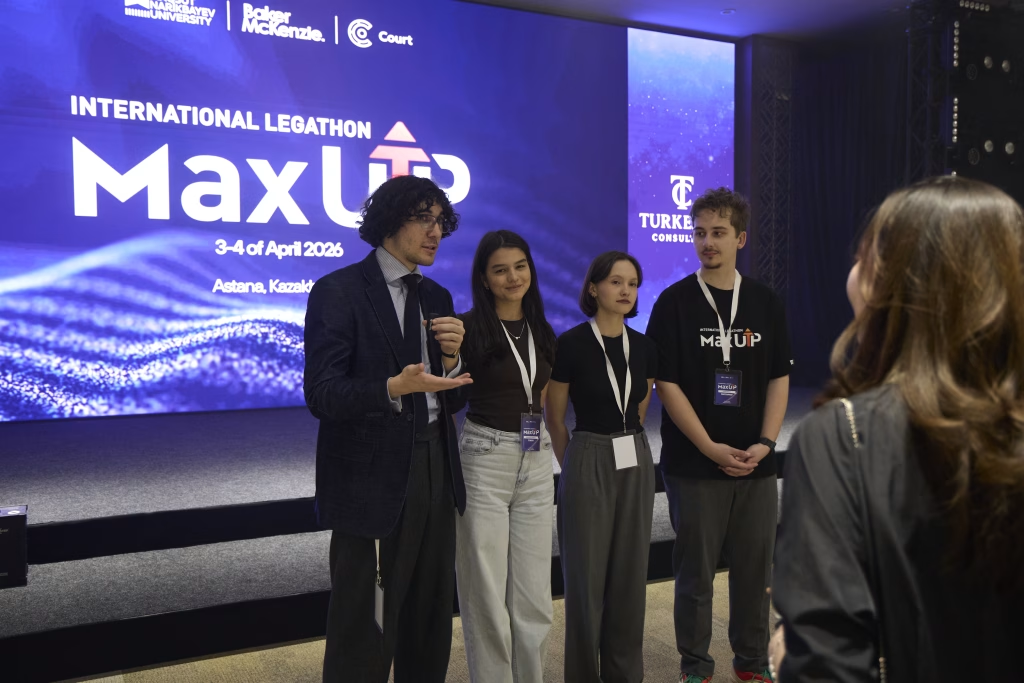
“We put a lot of effort into completing the first case at the competition. The assignment was very creative and multi-layered. Overall, we are satisfied with the result, because the author of the case said that we managed to defend it despite a weak position. For us, that is a point of pride; we prepared a lot, and winners are not judged. As champions of the first Legathon MaxUP, we are pleasantly surprised by the organization level this year; everything has become even better. We really like that the competition is expanding and has become a platform for lawyers dealing with the law of the future. In my opinion, the competition will become even larger each year, and I hope that more than 20 countries will participate next year,” emphasized Ravshan Idrisov, a student at the National Research University Higher School of Economics (Russia).
“It is a great honor for us to participate in the International Legathon MaxUP 2026. Thanks to this competition, we can learn different perspectives on different legal systems. This helps us understand law more deeply. Therefore, if there is an opportunity, we would be happy to participate in this competition again,” noted representatives of the team from China University of Political Science and Law (PRC).
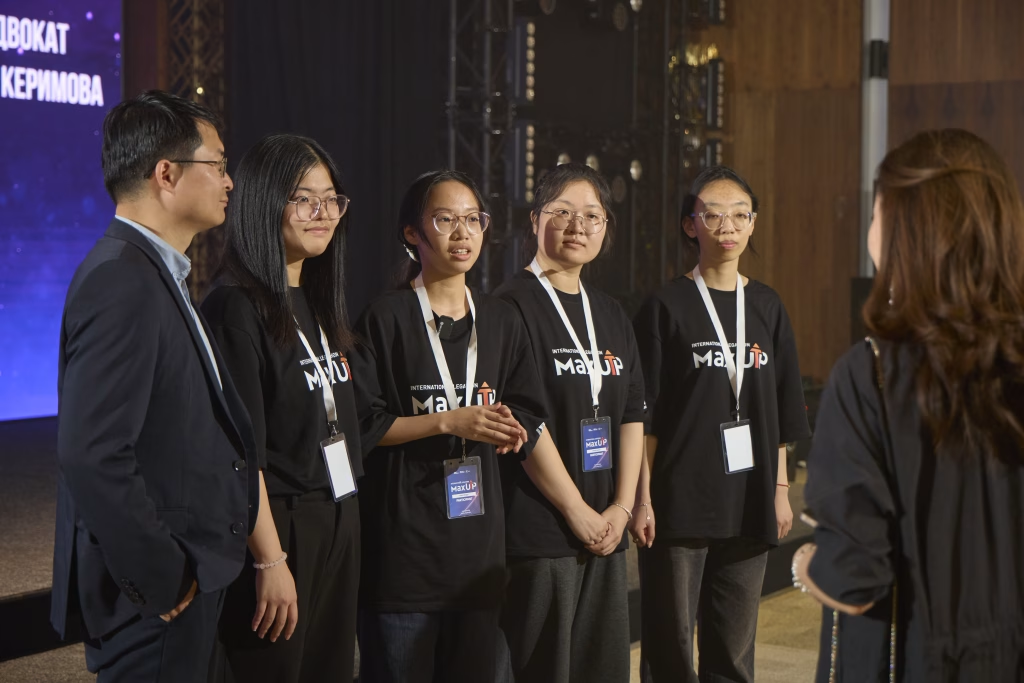
Based on the competition results, the leaders in the Russian league were teams from Al-Farabi Kazakh National University (Kazakhstan), Maqsut Narikbayev University (Kazakhstan), and the Ural State Law University named after V.F. Yakovlev (Russia). In the English league, the best results were shown by students from the University of Malaya (Malaysia), the Romanian-American University (Romania), and McGill University (Canada). The winner of the competition was the team from the first and most prestigious university in Malaysia – the University of Malaya. It should be noted that the total prize fund of the competition exceeded five million tenge.
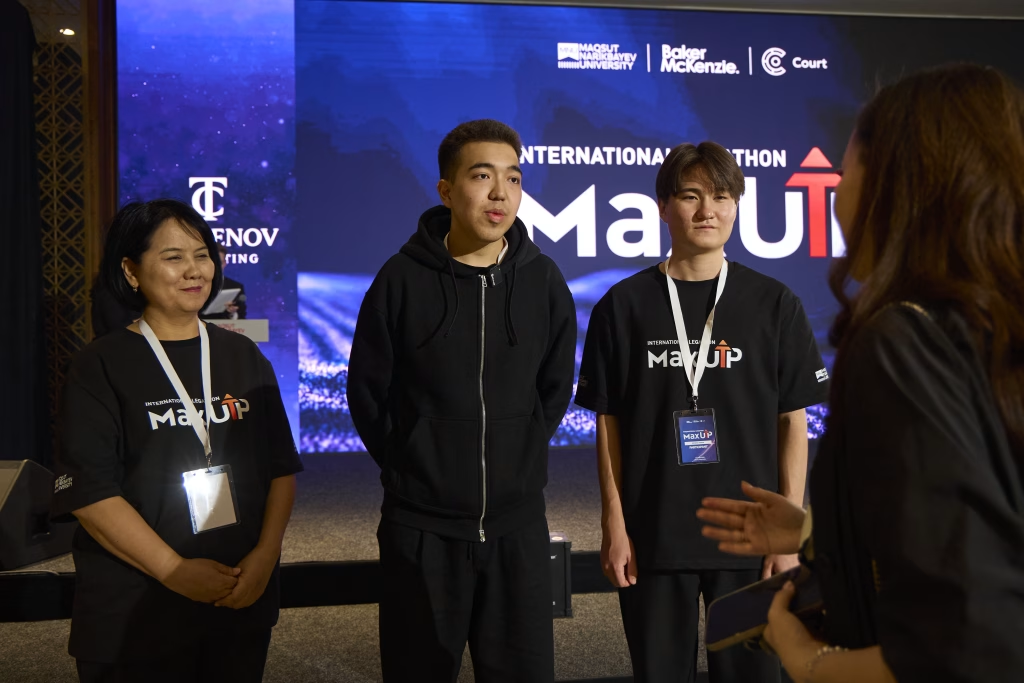
“The event organization is top-notch. The debate round was educational; it was very interesting and informative. The second day was also important, especially the project we worked on for 6-7 hours. It was a new experience; everything was great. We performed quite well, scoring 7-8 out of 10. Next year, we definitely want to come back more confident and stronger,” noted representatives of the team from Almaty Management University (Kazakhstan).
“This is not only a competition, but also communication, bringing people together in science. Today’s modern world is developing so rapidly that, for example, AI has become a priority. We know that the Year of Digitalization and Artificial Intelligence has been declared in Kazakhstan; this is a very important moment. I think that science will save the world,” emphasized Parviz Gasanov, a team member from Baku State University (Azerbaijan).
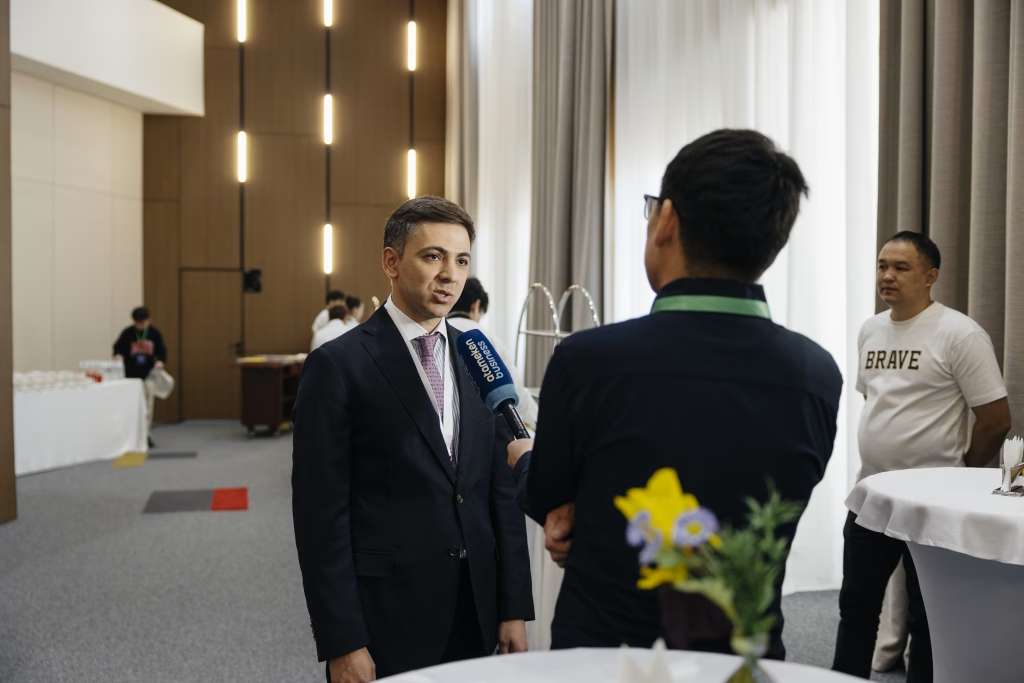
As part of the competition’s cultural program, participants also visited the sights of the capital of Kazakhstan and tasted national dishes. The competition was held with the support of the AIFC Court, the Kazakhstan Bar Association of Legal Consultants, and the international law firm Baker McKenzie. Additionally, the event was supported by the Development Bank of Kazakhstan, law firms Unicase, KP Disputes, Turkenov Consulting, and lawyer Rena Kerimova.
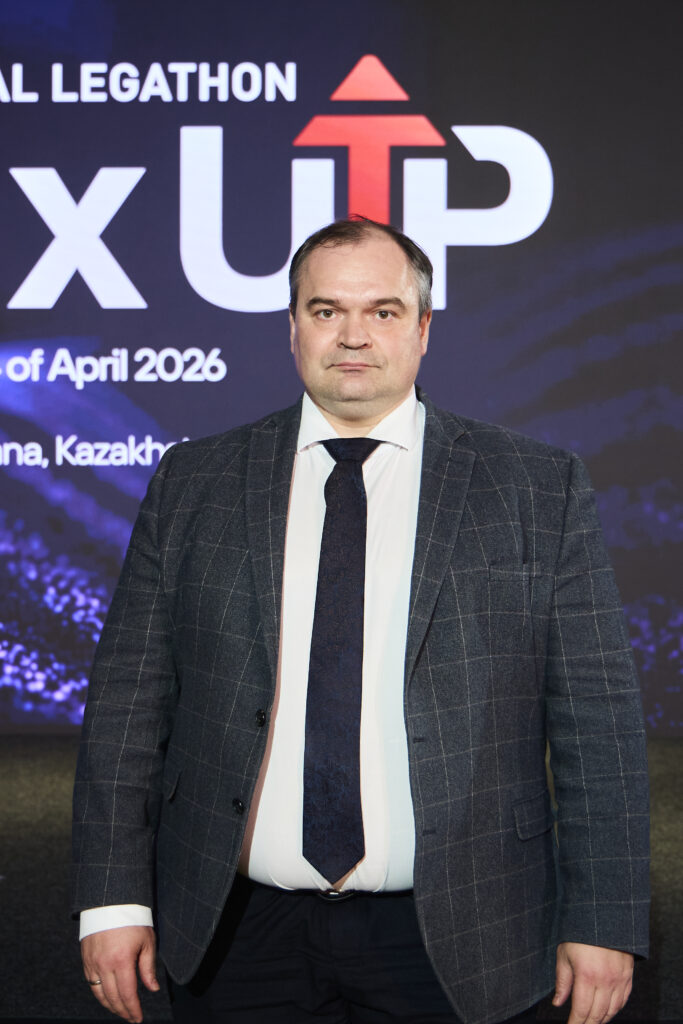
“This is the only event in Kazakhstan and one of the few in the world that examines issues of legal regulation of artificial intelligence and the development of the digital infrastructure in which we already live from such a perspective. The students’ presentations were of a high standard, and I am confident that most of their proposals are either already being considered by legislators or will be addressed in the very near future. Time flows very quickly, and what we are talking about now is already our tomorrow. Therefore, we definitely need to think and talk about it,” said Alexander Korobeynikov, a partner at the international law firm Baker McKenzie.
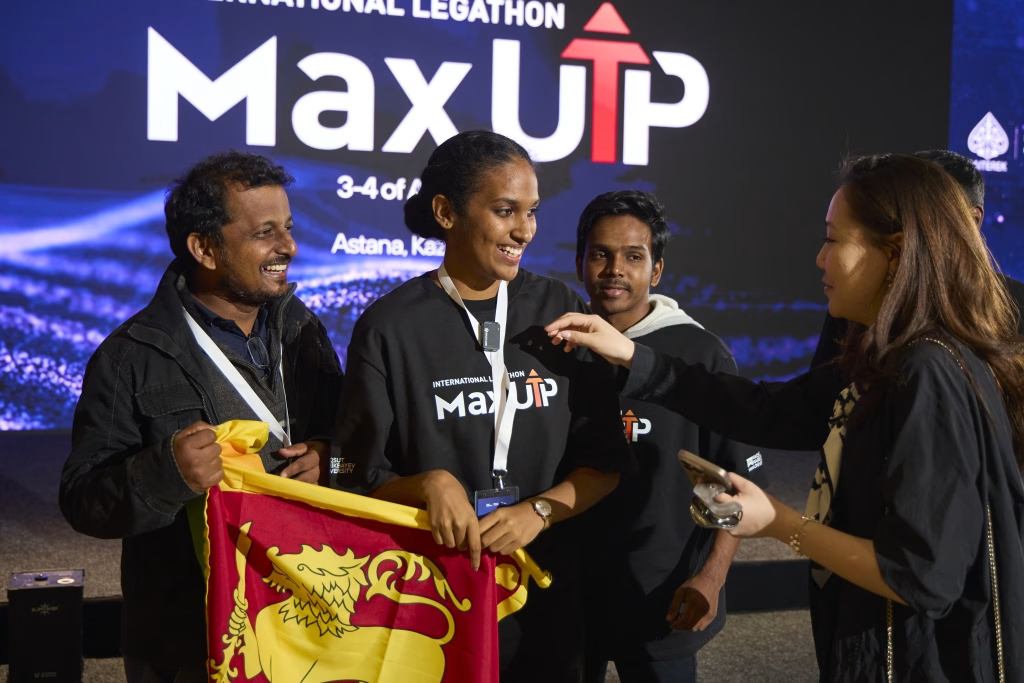
“We are very happy to participate in Legathon MaxUP. We really liked your hospitality; you have very kind people. We were very excited, participated in the competitions, and it was thrilling. The capital is very beautiful; we saw so many buildings with architectural elements. I hope we can visit Astana again. The other teams were also competitive; they are really good, and we were very happy to interact with them,” noted representatives of the University of Sri Jayewardenepura (Sri Lanka).
It should be noted that the next International Legathon MaxUP will take place in 2027.