MNU Logo

MNU Hosts First Central Asian Kapuscinski Lecture Featuring Cambridge Professor

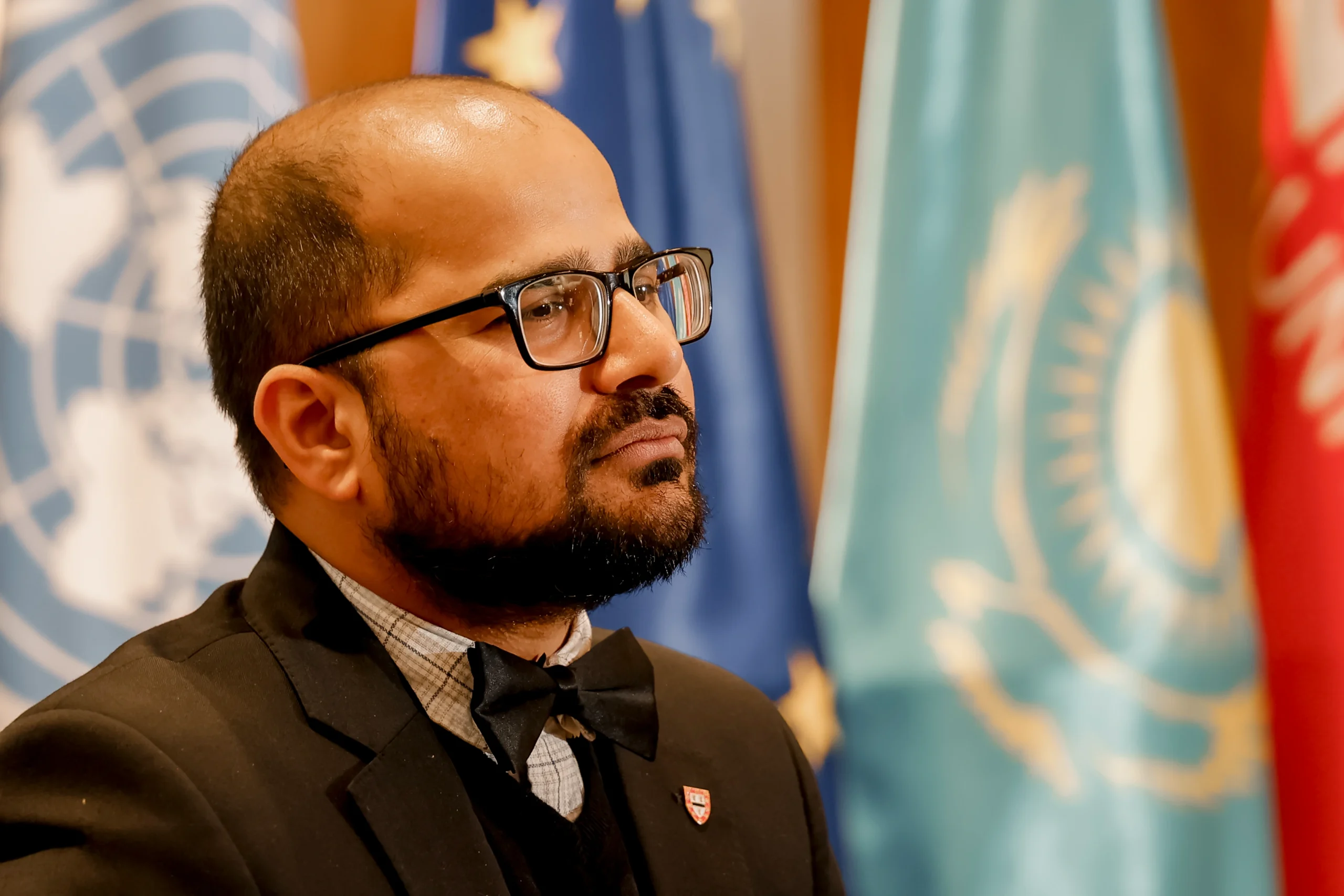
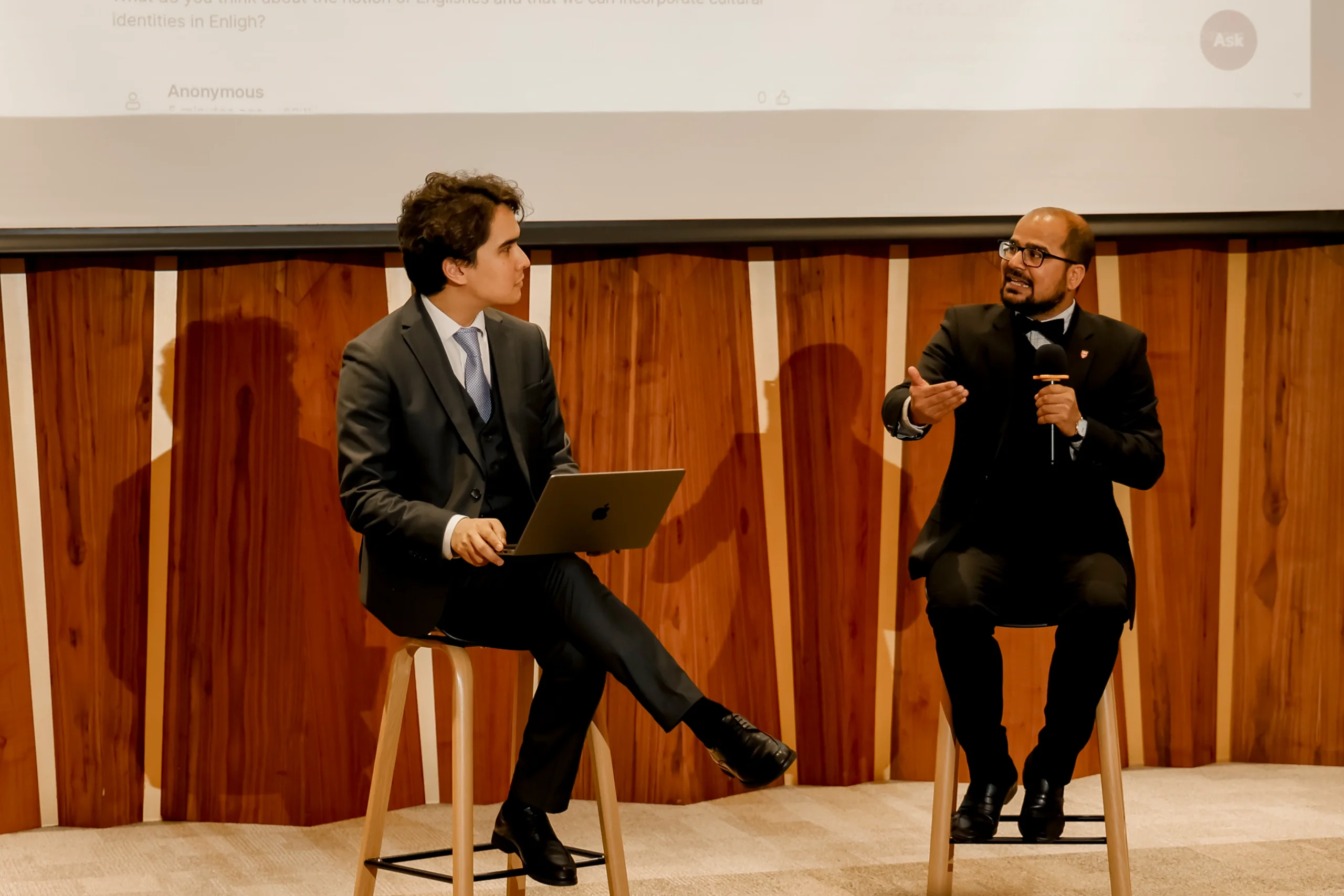
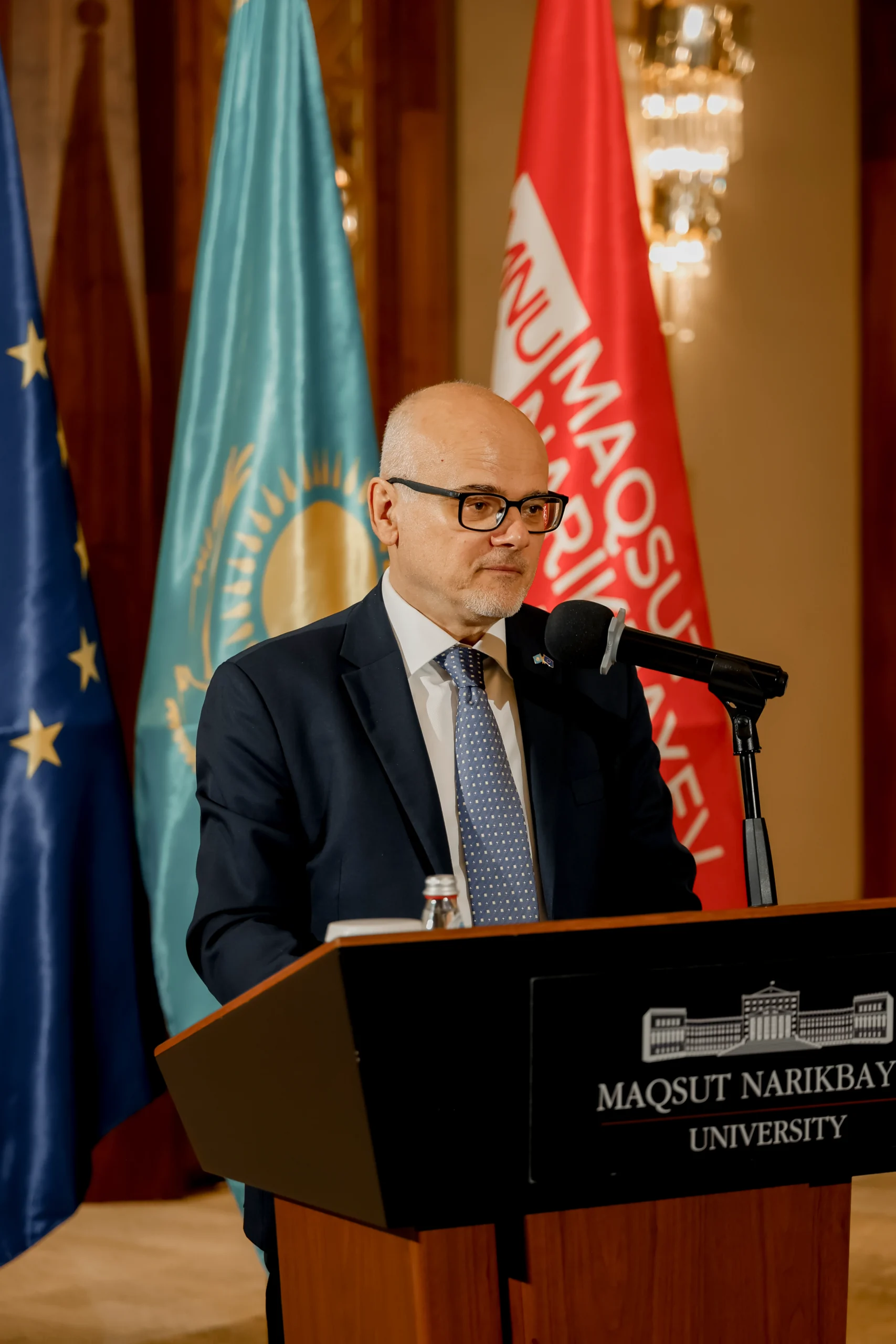
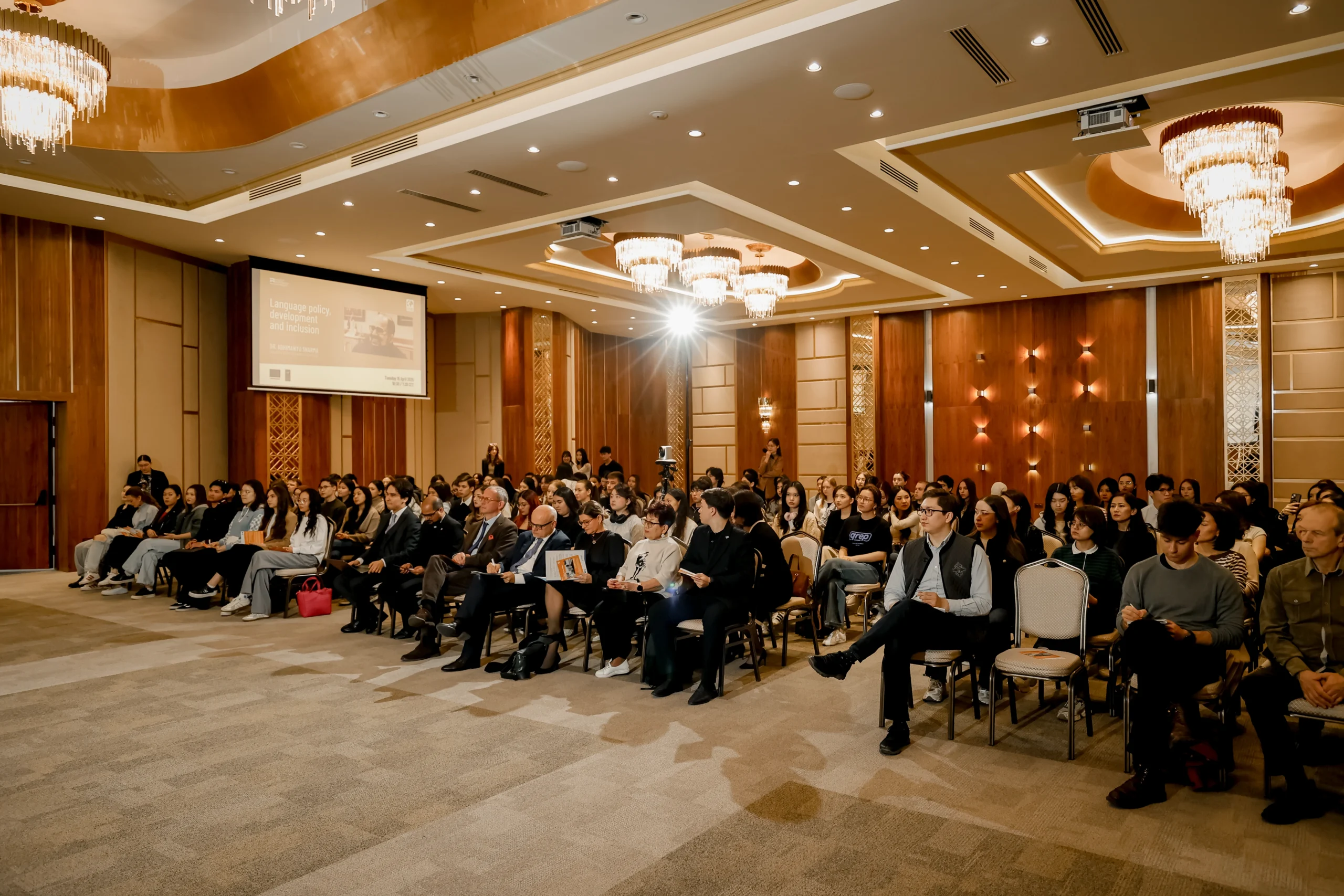
Maqsut Narikbayev University (MNU) hosted the first-ever Kapuscinski Lecture in Central Asia, held as part of the Kapuscinski Lectures project, organised with the support of the United Nations Development Programme and the European Commission. Professor Abhimanyu Sharma from the University of Cambridge delivered a lecture on Language Policy, Development, and Inclusion—a topic that sparked great interest among MNU students and guests of the university. 

Abhimanyu Sharma is a distinguished scholar in the field of language policy. His doctoral research focused on the European Union’s language policy in the context of India. During his lecture at the Kapuscinski Talks, he explored the profound impact of language policy on development. The discussion centred around two core areas: the role of English-language education and the marginalisation of deaf communities resulting from the absence of sign language instruction.

In his address, the speaker emphasised two key dimensions of language policy. The first part introduced fundamental concepts of public policy, language policy, and development. The second part delved into the role of the English language in India, particularly in relation to identity formation and social mobility. The final section addressed policies concerning people with hearing impairments, the social stigma they face, and the critical importance of sign languages.
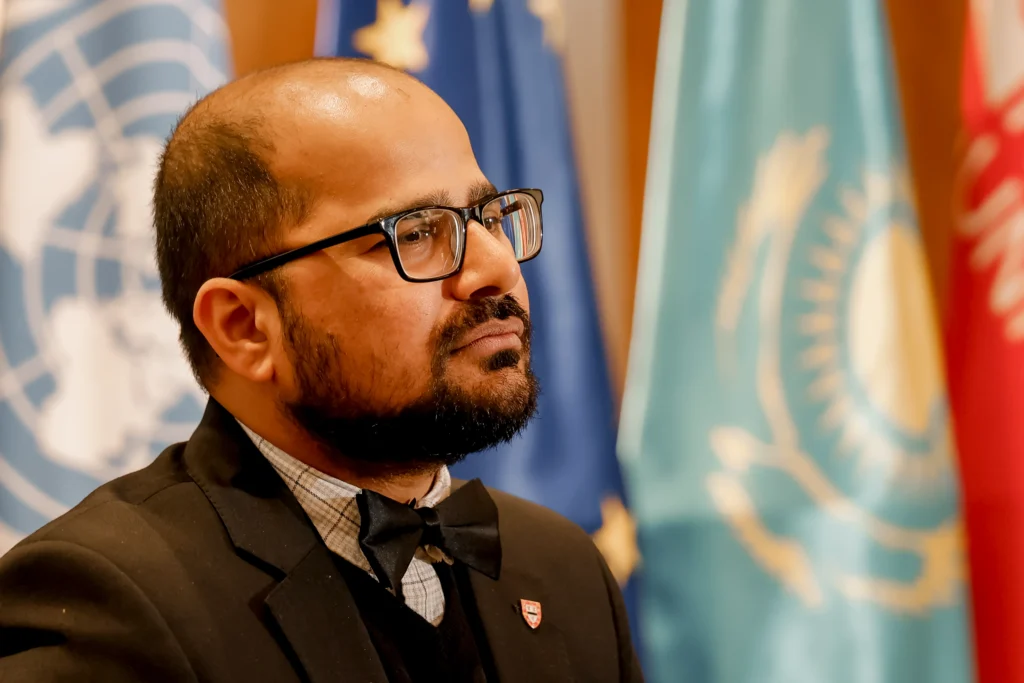
Languages are often perceived merely as tools of communication. Perhaps this bias exists because the impact of languages on our daily life is not as tangible and visual to policymakers as, let us say, a unity party or a group. We tend to forget that languages are also powerful markers of identity. And because languages are so inherently intertwined with our self-perception and the way we define ourselves, they must be integral to public policy,” said Abhimanyu Sharma.

The speaker placed particular emphasis on those whose voices frequently remain unheard—members of marginalised linguistic communities. Their inclusion in the public, educational, and cultural spheres is not simply a matter of fairness, but a prerequisite for sustainable and inclusive development. According to Professor Sharma, empowering these communities by giving them a voice, granting access to essential resources, and ensuring their participation in decision-making processes is vital for building a future in which every individual feels valued and included.

“Language policy has a profound influence on the processes of social cohesion, because languages play a crucial role in tension building. They are fundamental in defining who or what states are. Thus, the strategic and inclusive governance of linguistic diversity has become a critical component of sustainable and equitable state development,” Abhimanyu Sharma underscored.

It is worth noting that the Kapuscinski Lectures project is named in honour of the renowned Polish journalist and writer Ryszard Kapuściński. MNU takes pride in being part of this international initiative, contributing to the advancement of an open, just, and inclusive society.
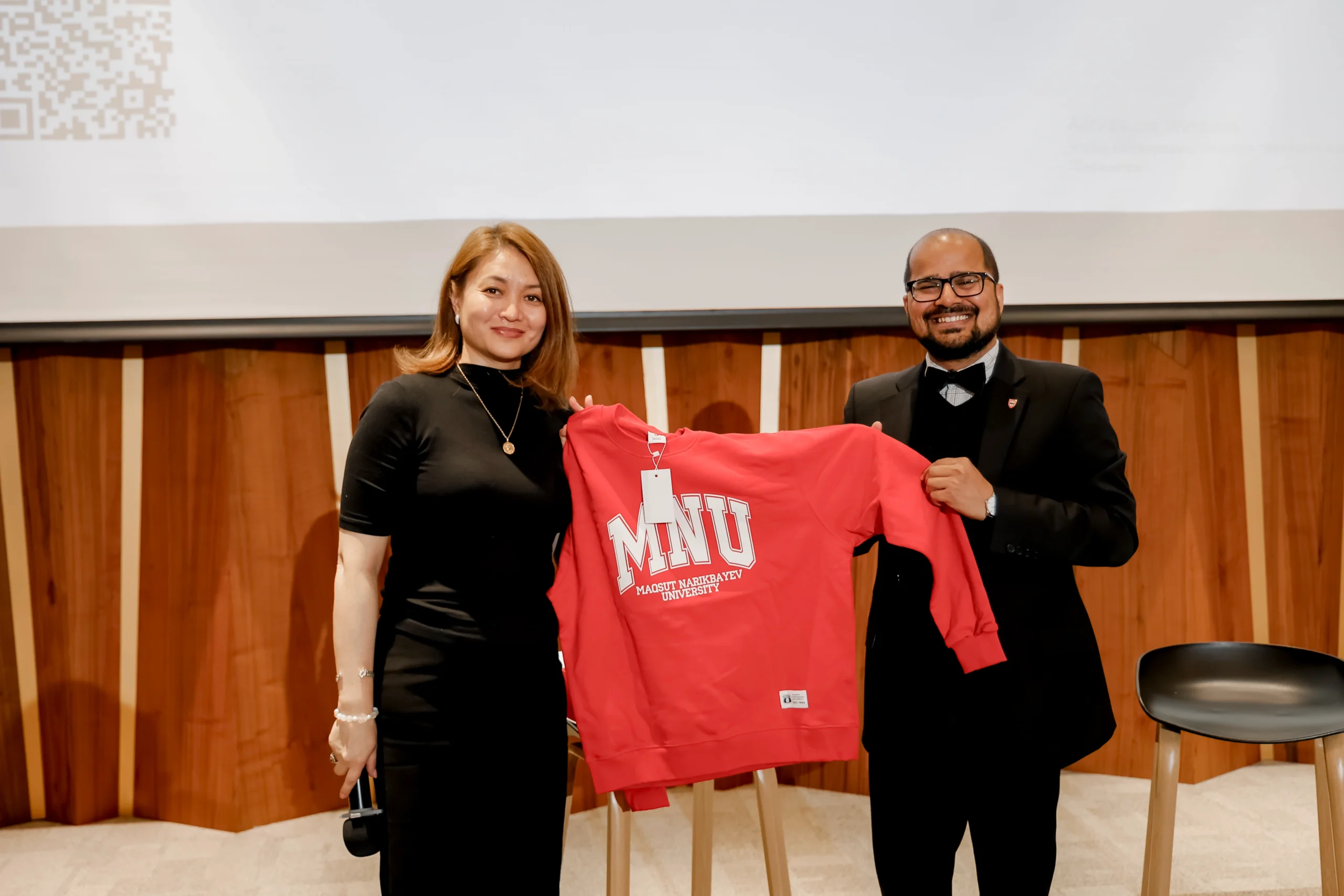
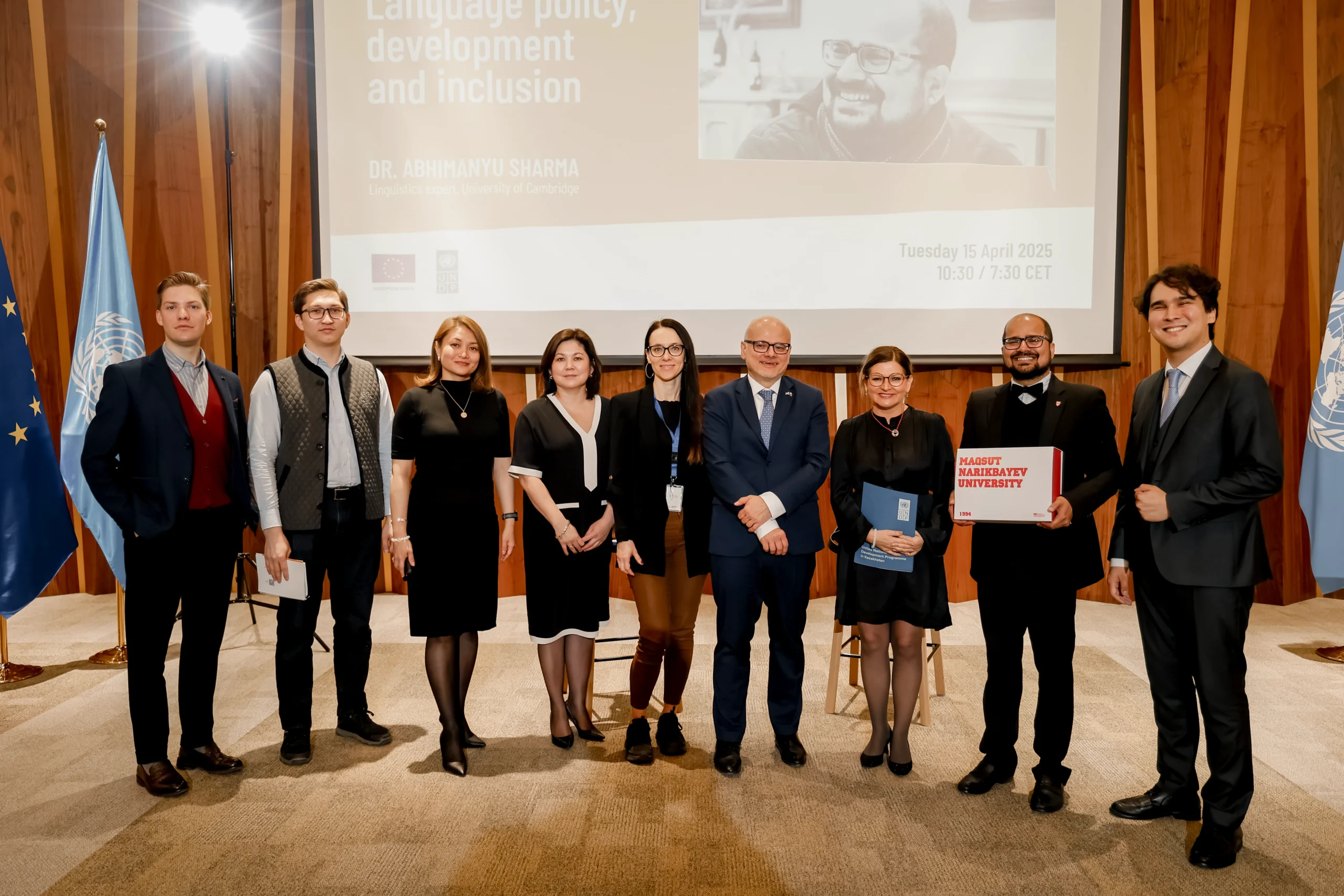
Фото 1
Фото 2
Фото 3
Фото 4
Фото 5

AUDIO DESCRIPTION FOR MEDIA ACCESSIBILITY: MNU’S ROLE IN INCLUSION

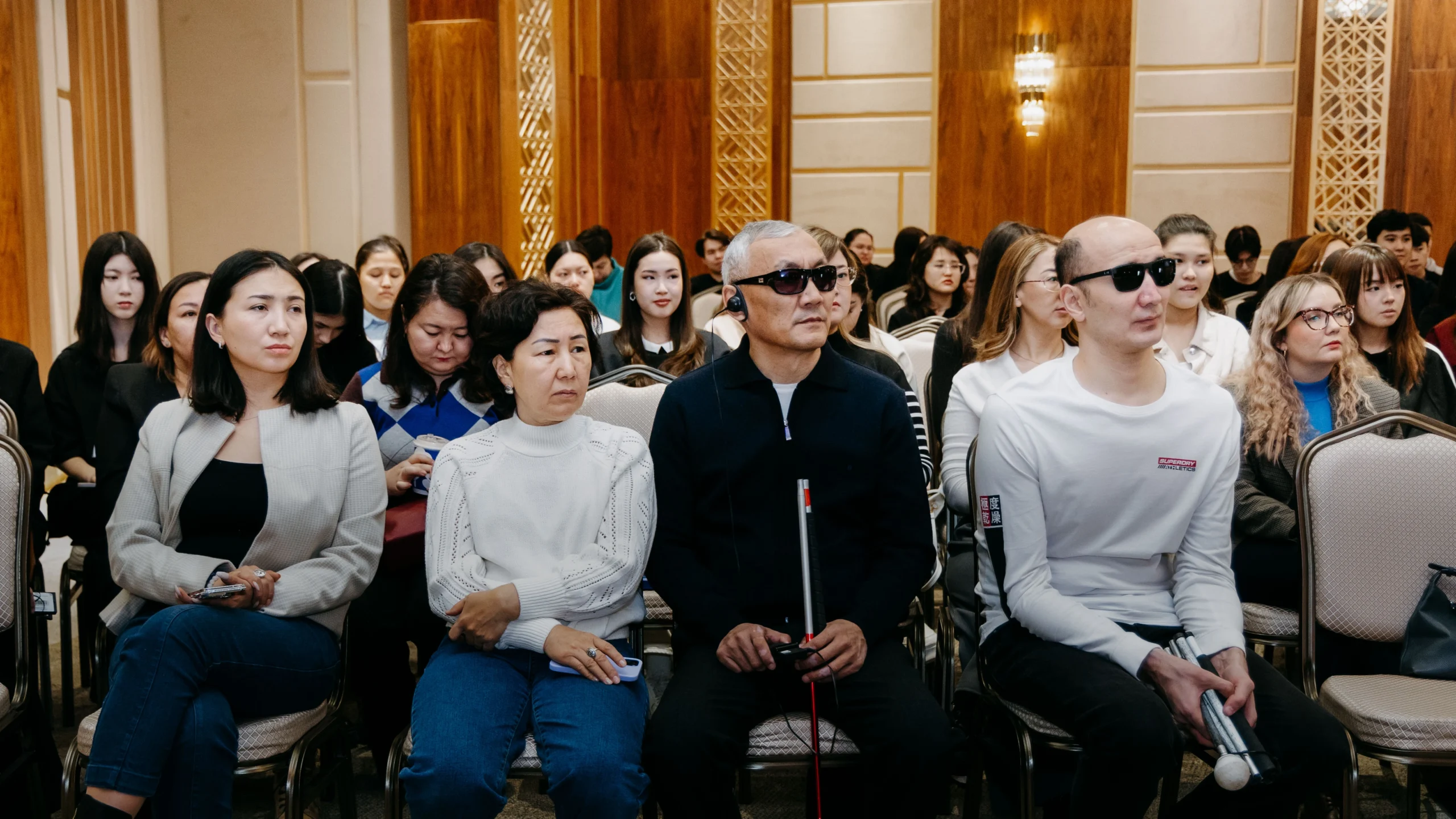
Maqsut Narikbayev University (MNU) hosted the SenseAble international conference, dedicated to advancing audio transcription—a key tool for ensuring media accessibility for blind and visually impaired individuals. The conference was organised by the MNU School of Liberal Arts in collaboration with the Gala Global Group, a leading translation company. 

The SenseAble conference brought together renowned international experts in media accessibility. Among the distinguished speakers were: Joel Snyder (USA) – a pioneer in audio transcription, author of foundational methodologies, and developer of specialised training programs, Josélia Neves (Portugal) – a world-class specialist who provided live audio transcription for the 2022 FIFA World Cup in Qatar, and Anna Matamala (Spain) – a media accessibility researcher and professor at the University of Barcelona. These experts shared cutting-edge research, best practices, and innovative approaches to improving media accessibility for individuals with special needs.

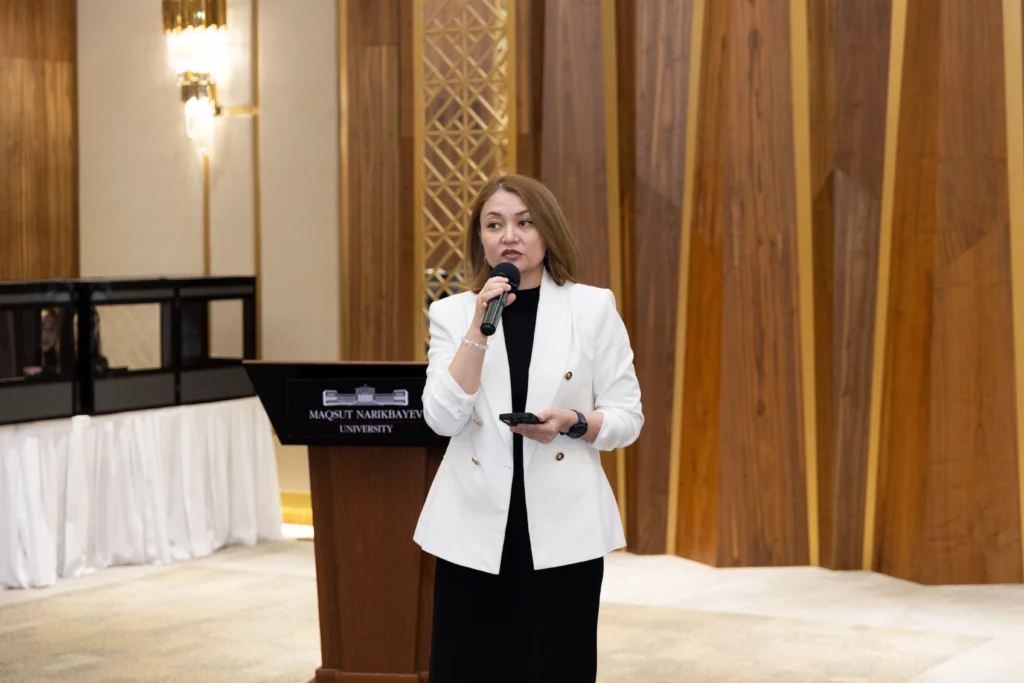
“For the first time in Kazakhstan, Maqsut Narikbayev University has introduced the course ‘Audio Description, Subtitling for the Deaf and Hard of Hearing’ as part of its Master’s programme. This is more than just a new discipline—it is a major step toward inclusion and the creation of an accessible environment for people with hearing impairments. This course opens new horizons for media accessibility in Kazakhstan and beyond, and we take pride in our university’s contribution to this vital field,” said Anar Ibrayeva, Dean of the MNU School of Liberal Arts.

The conference showcased feature films with audio transcription and presented both domestic and international projects dedicated to media accessibility. Discussions covered a range of topics, including the adaptation of museum exhibits for blind and visually impaired visitors, the integration of audio transcription in theatrical productions, the development of accessible visual content in Kazakhstani cinema and cultural projects. The event marked a significant milestone in advancing media accessibility and inclusion in Kazakhstan, reinforcing MNU’s position as a hub for innovation in translation and accessible content.

Audio transcription provides specially adapted information for blind and visually impaired individuals. Audio descriptions narrate key visual elements on screen, including physical actions, facial expressions, costumes, settings, and scene changes. This format is already widely available for original films on streaming platforms like Netflix, making visual media more inclusive worldwide.

Нарикбаев Талгат Максутович
Председатель Правления АО «Университет КАЗГЮУ имени М.С. Нарикбаева»
Fill out the form

    Language

    Status

    Required

    Academic degree

    Required

    Citizenship

    Required

    Name

    Required

    Surname

    Required

    Email address

    Required

    Mobile number

    Required


    Fill out the form

      Full Name

      Required

      Email address

      Required

      Mobile number

      Required

      Do you have an academic degree?

      Required

      Job Title

      Required

      Your resume