
 Visually-Impaired Version


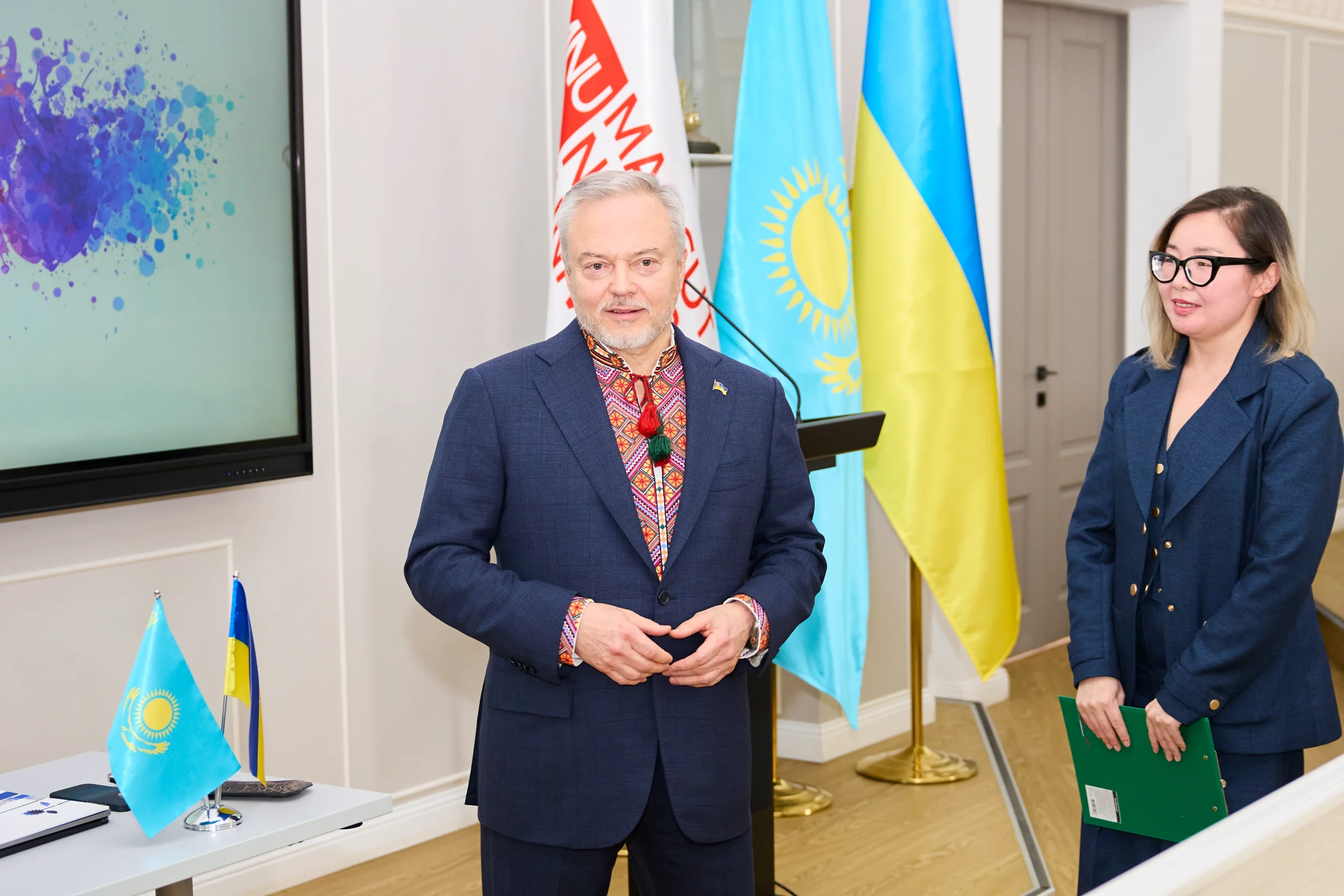
Students of the MNU Law School have begun studying the features of the ancient Kazakh alphabet known as “töte jazu.” A special course has been launched at the university in cooperation with the Television and Radio Complex of the President of the Republic of Kazakhstan.
The initiative is being implemented ahead of the 30th anniversary of the Television and Radio Complex. The classes are conducted by Rizabek Nusipbek, Editor-in-Chief of the Töte Jazu editorial office at the International Information Agency Kazinform. Around three hundred future lawyers plan to master the script.
It is worth noting that “töte jazu” is considered the first Kazakh alphabet created by the scholar Akhmet Baitursynov. The three-week course will enable students to read original Kazakh versions of 20th-century criminal laws published in töte jazu. This will help them analyze the legal heritage of a century ago and apply the knowledge gained to develop proposals for improving Kazakhstan’s modern legislation.
“The first Kazakh newspapers were published in töte jazu. Outstanding writers of our nation created their works using this script. Lawyers of the Alash Orda recorded criminal laws in töte jazu. By studying the alphabet, we can delve deeper into the historical layers of the past. It gives us the opportunity to read in the original the legacy left by our wise and great ancestors. Upon completing the full course, students will not only learn about the historical significance of the töte jazu alphabet, but will also reach a level that allows them to read and write fluently in this script,” emphasized Rizabek Nusipbek.