
 Visually-Impaired Version


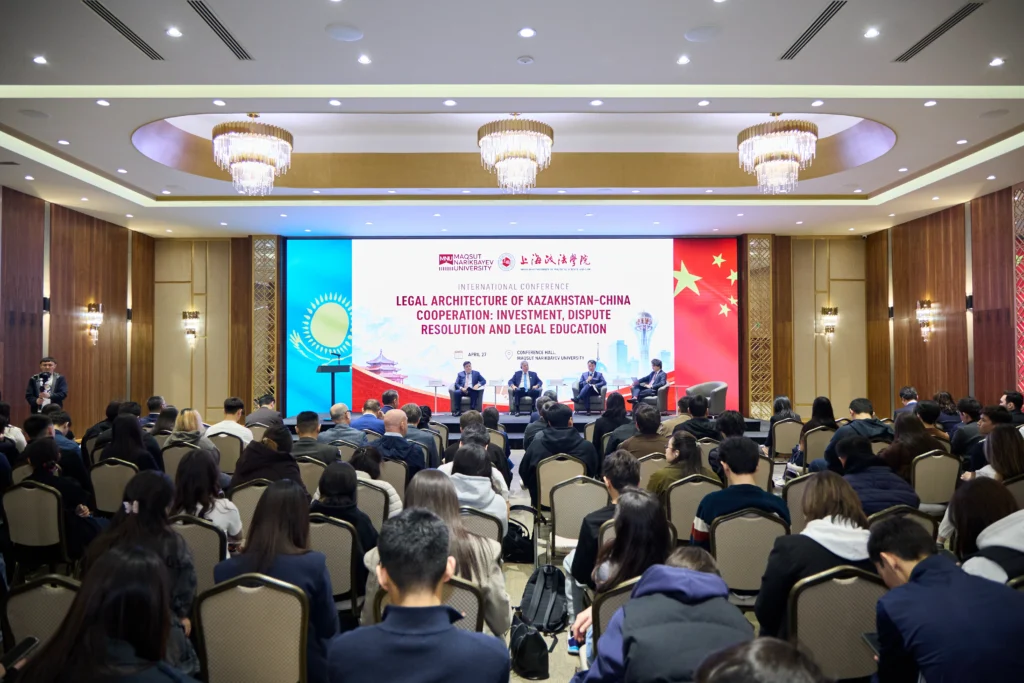
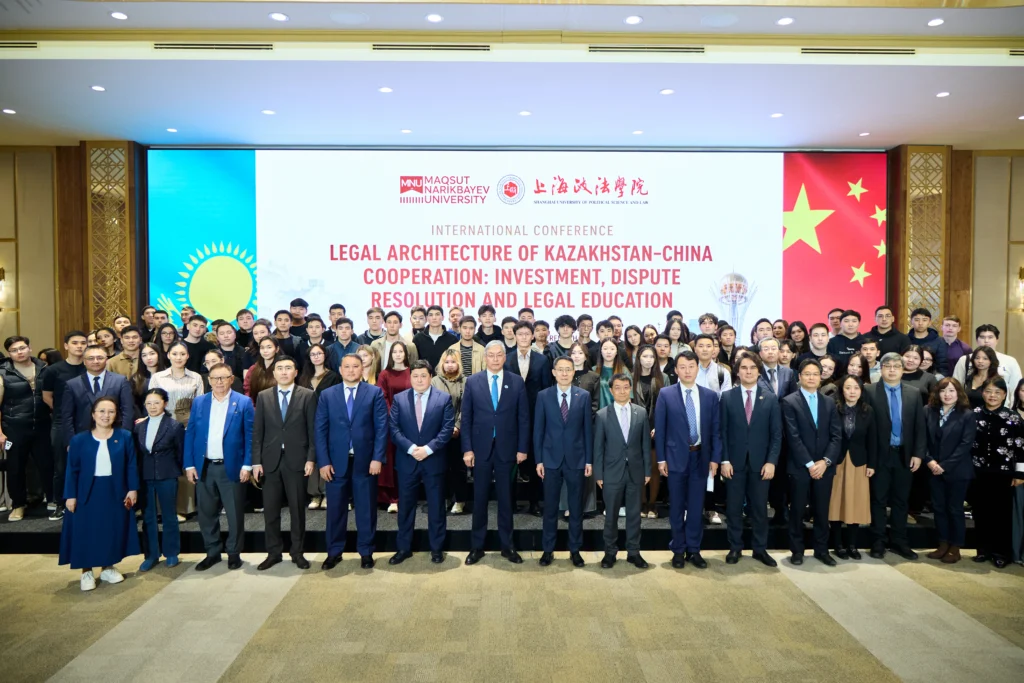
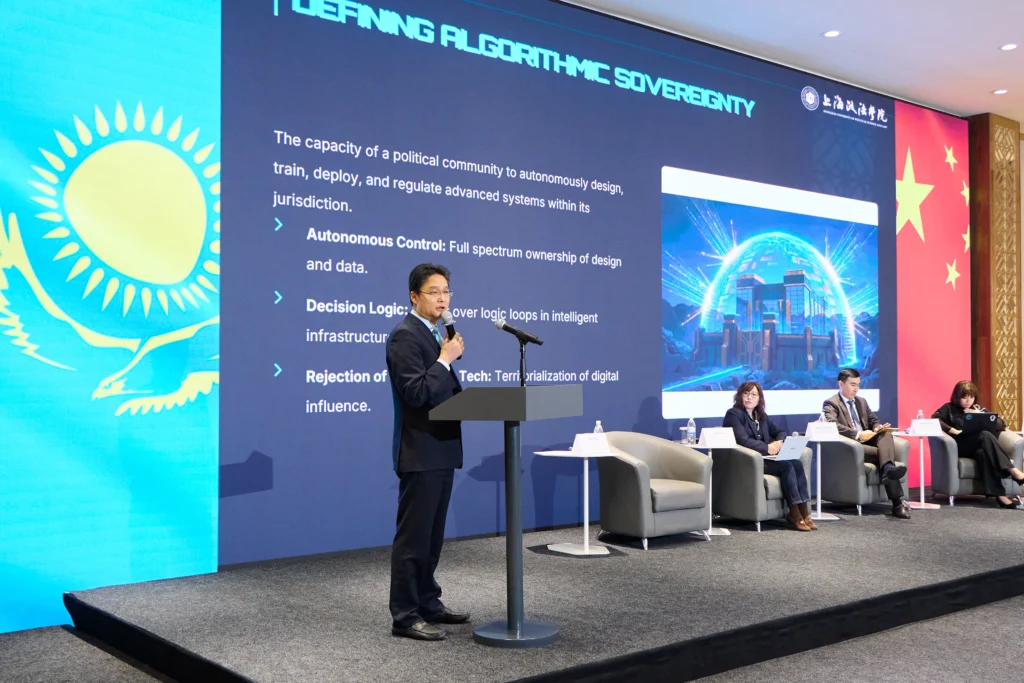
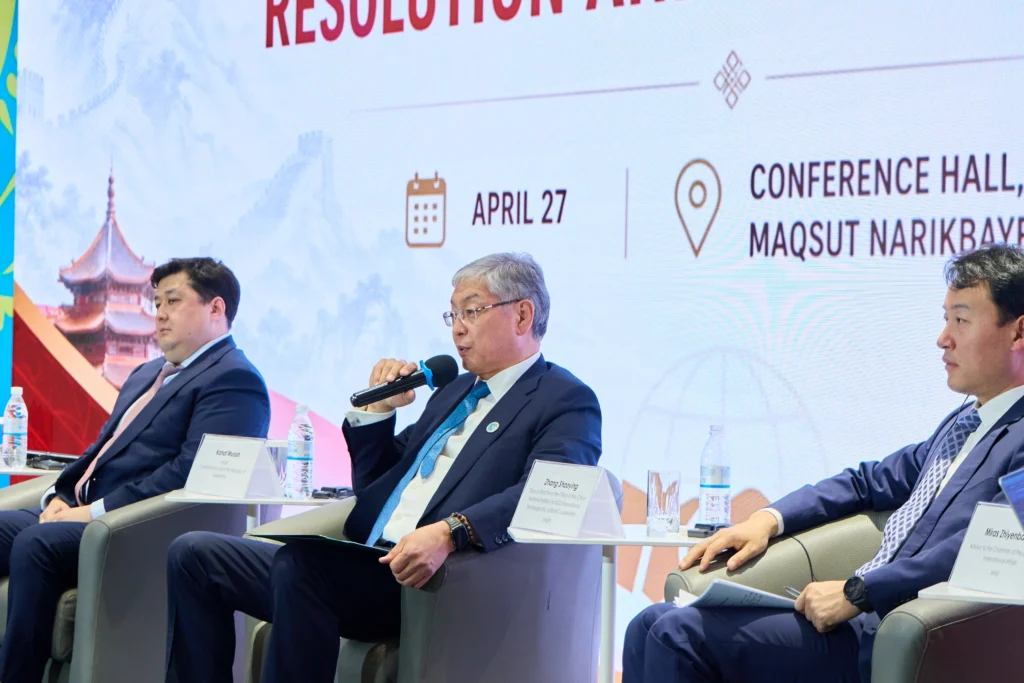
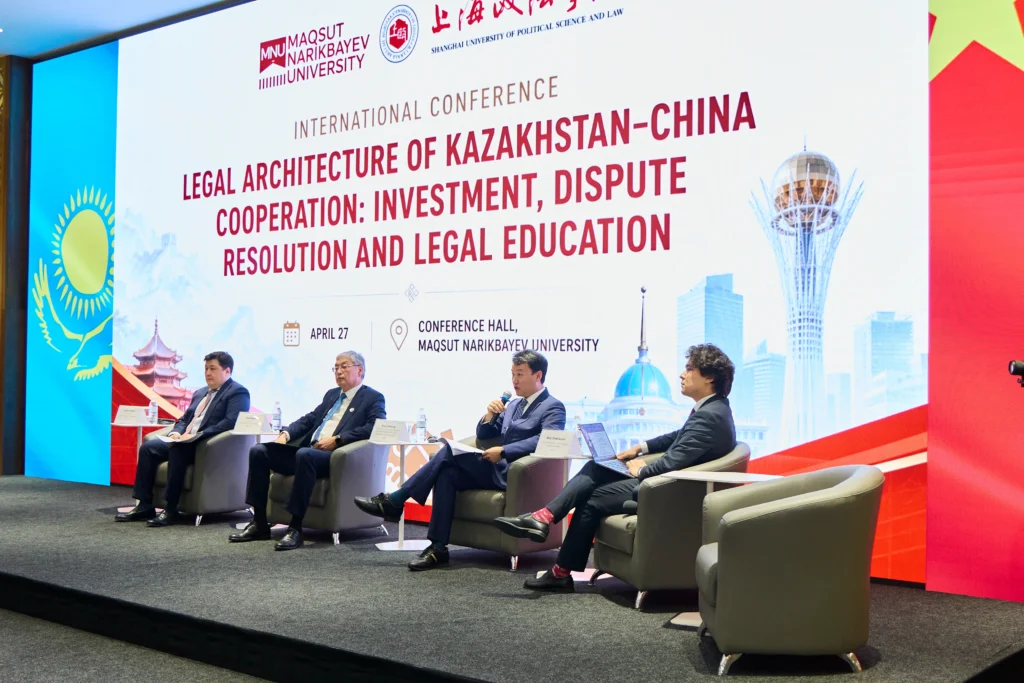
Maqsut Narikbayev University hosted a discussion on the development of the legal architecture of cooperation between Kazakhstan and China. The university held an international conference organized jointly with the Shanghai University of Political Science and Law (SHUPL).
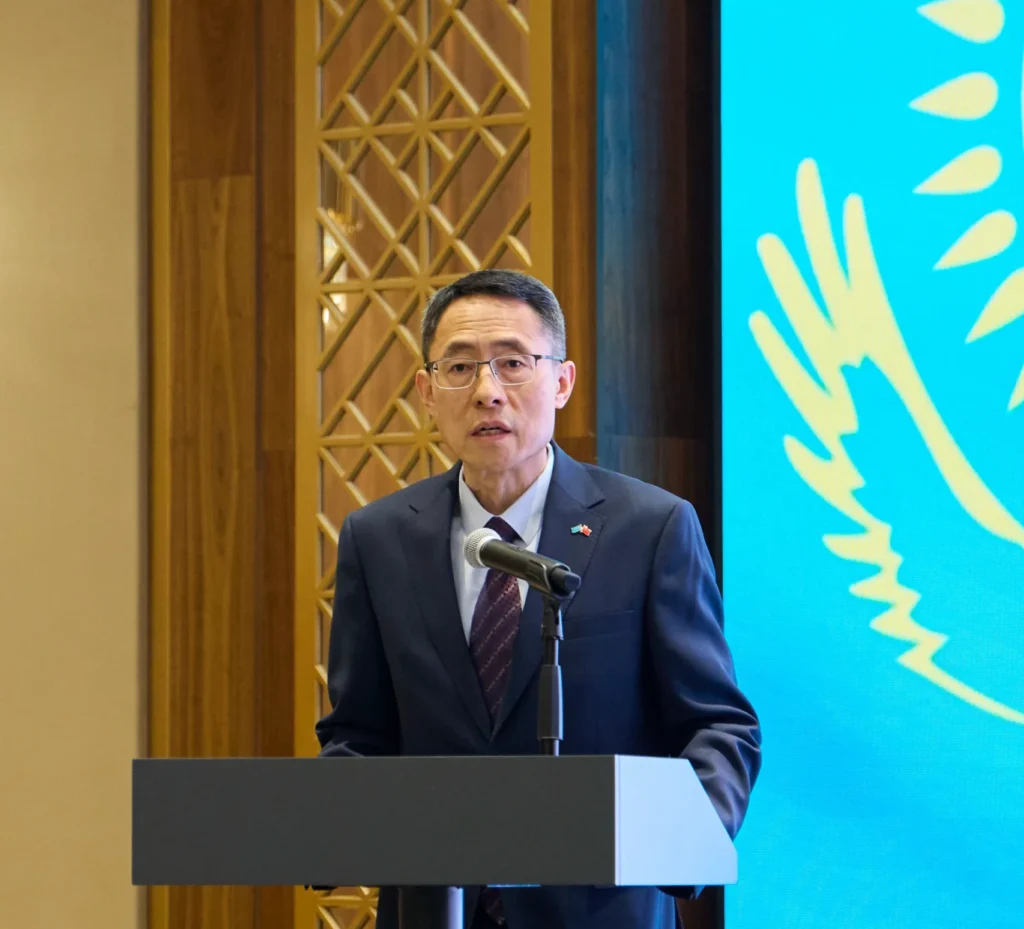
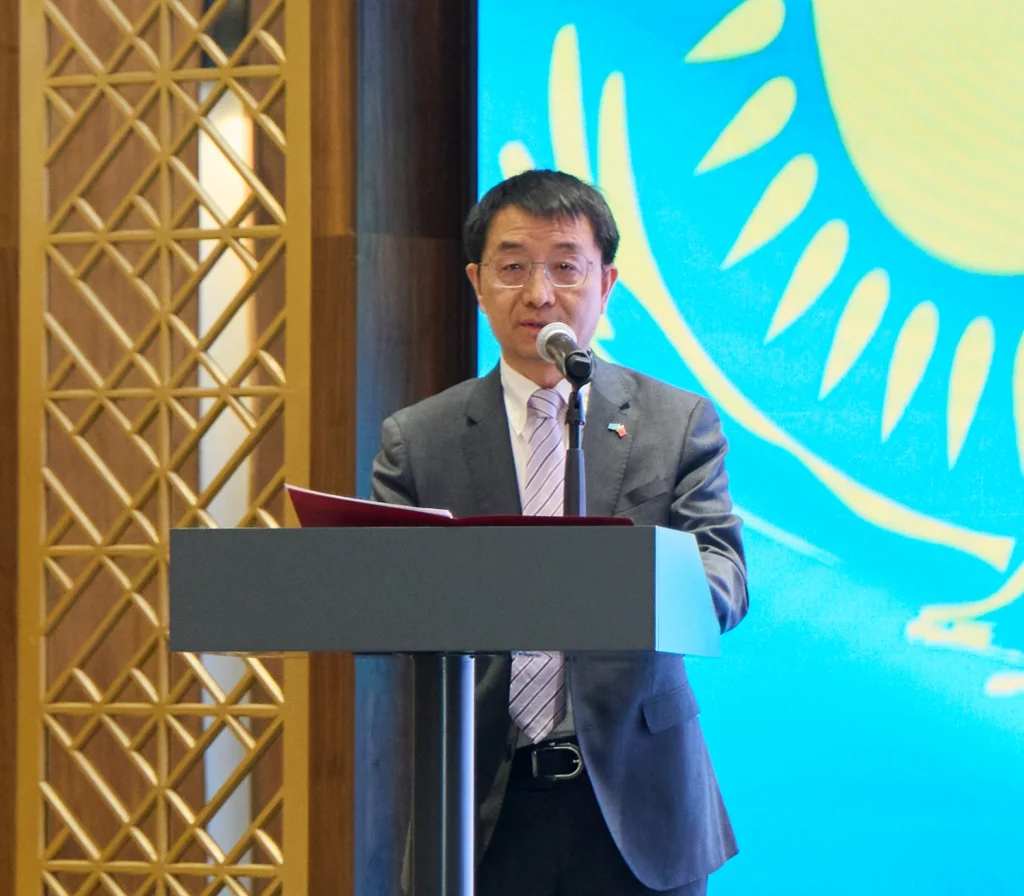
The conference, titled “Legal Architecture of Kazakh–Chinese Cooperation: Investment, Dispute Resolution, and Legal Education”, brought together more than 300 participants, including representatives of government bodies, academia, and the diplomatic corps. Ambassador Extraordinary and Plenipotentiary of the People’s Republic of China to Kazakhstan, Han Chunlin, noted the high level of engagement between Beijing and Astana.
“China and Kazakhstan can rightfully be called companions on the path toward modernization based on the rule of law. We should continue to strengthen dialogue, enhance the exchange of experience, and expand cooperation in this field. This international conference aims to provide a platform for in-depth discussions, enabling both sides to better understand the concepts and practices of law-based governance, enrich the strategic significance of friendly cooperation between our countries, and jointly contribute to advancing effective regional and global governance,” said Han Chunlin.
The conference addressed China’s approaches to regulating digital technologies and artificial intelligence, the development of international educational programs, and modern models for training legal professionals oriented toward international practice. Participants also discussed key issues in investment law, dispute resolution mechanisms, digital regulation, and the training of legal professionals for cross-border practice. Chairman of the MNU Board, Talgat Narikbayev, highlighted the successful launch of an academic dialogue on issues of mutual interest to both countries.
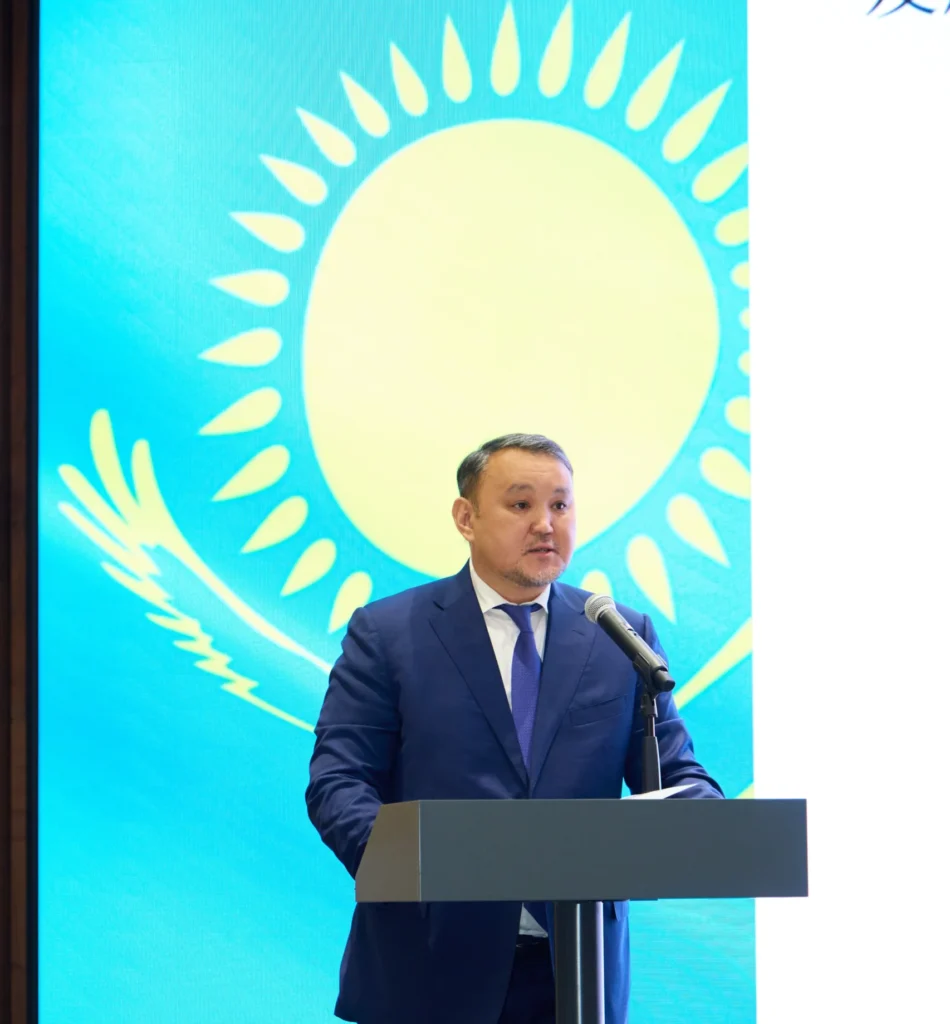
“High-level meetings between the leaders of our states have once again confirmed a forward-looking agenda. This includes expanding cooperation in investment, infrastructure, technology, and education, as well as further developing legal frameworks to support these areas. As cross-border economic activity grows, issues of investment regulation, dispute resolution, and legal training are becoming increasingly interconnected. I am confident that cooperation between our universities through joint research and the training of future professionals will contribute to advancing this broad agenda,” Talgat Narikbayev emphasized.
Speakers at the conference included Constitutional Court Judge of Kazakhstan Kanat Musin, Vice Minister of Justice of Kazakhstan Daniyel Vaissov, SHUPL President Ge Weihua, and Zhang Shaoying, Deputy Director of the Office of the China National Institute for SCO International Exchange and Judicial Cooperation. Special attention was given to legal regulation in the context of the rapid development of artificial intelligence. Presentations were also delivered by Cao Yang, Dean of the SHUPL School of Digital Intelligence and Law; Kaisar Yerkinbayev, Deputy Chairman of the Board of the Center for International Programs; Shi Jianping, Party Secretary of the SHUPL School of International Law; and Olga Bektibayeva, Dean of the MNU Law School.
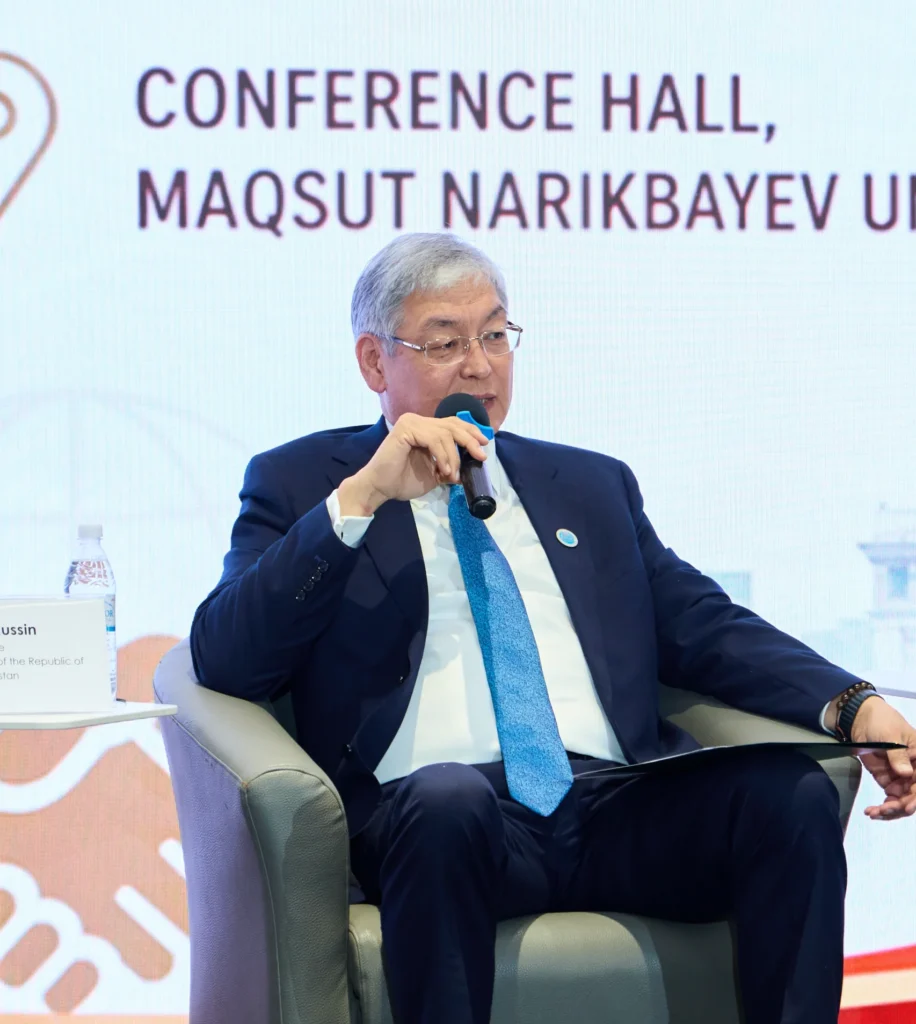
“There is an active global race in the field of artificial intelligence, with major corporations striving to outpace one another in developing new technologies. In the context of globalization, particularly in the application of AI, this requires joint training of legal professionals. To date, only a few countries have developed relevant regulatory frameworks, and China is among them. In this regard, the exchange of experience is of particular importance for the education system and for Maqsut Narikbayev University as one of the leaders in legal education,” said Constitutional Court Judge Kanat Musin.
Meanwhile, SHUPL President Ge Weihua proposed jointly exploring advanced issues of digital governance and the rule of law in the field of artificial intelligence. He put forward an initiative to launch an interdisciplinary cooperation framework program titled “Law + AI” and to jointly develop bilingual courses. Ge Weihua also emphasized the need to establish mechanisms for legal cooperation between the two countries in investment and dispute resolution, as well as to create a China-Kazakhstan community for training specialists in the rule of law working in cross-border contexts.
“We have reached broad consensus on deepening cooperation with MNU and are jointly committed to advancing collaborative research and developing educational programs. The conference marks an important achievement in strengthening cooperation between our universities and serves as a new starting point for further engagement,” Ge Weihua noted.
It should be noted that agreements on cooperation with one of China’s leading universities were reached last year during the visit of the MNU Provost to Shanghai.